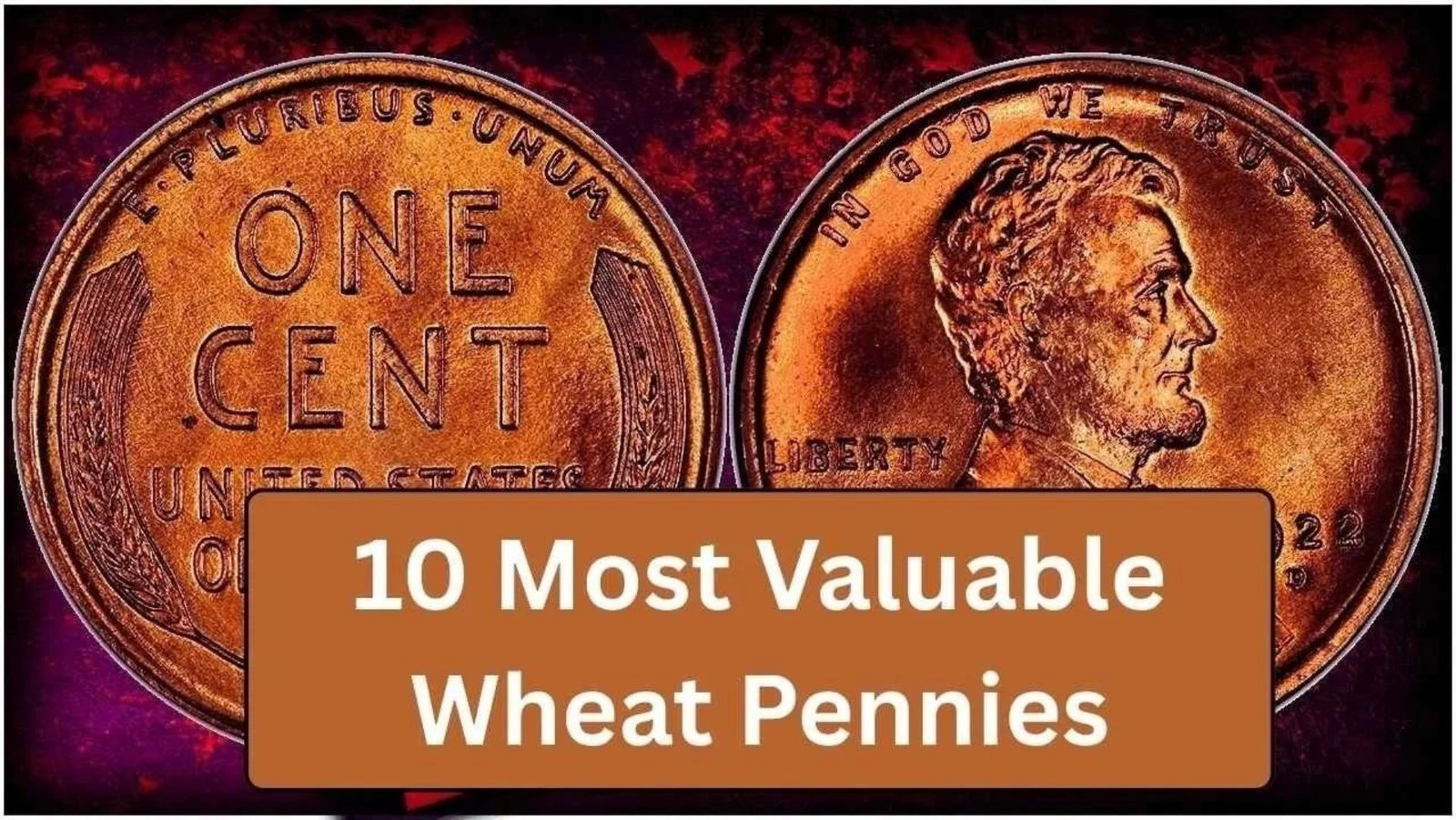
Imagine digging through your grandpa’s old jar of change and pulling out a penny that could be worth hundreds—or even thousands—of dollars. That’s the magic of wheat pennies in 2025. These little copper coins aren’t just spare change anymore; they’re pocket-sized time machines that beginners and seasoned collectors are chasing like never before. Ready to discover why everyone is talking about them again?
What Exactly Is a Wheat Penny?
A wheat penny (or “wheat cent”) is the nickname for Lincoln cents minted from 1909 to 1958. Instead of the modern Lincoln Memorial on the back, they feature two graceful wheat stalks—hence the name. They’re 95% copper, feel heavier than today’s zinc pennies, and instantly scream “vintage.”
A Quick History of the Wheat Penny (1909–1958)
Designed by sculptor Victor David Brenner to celebrate Abraham Lincoln’s 100th birthday, the wheat penny debuted in 1909. It was the first U.S. coin to feature a real person. Over 50 years, billions were made, but certain dates and mint marks turned ultra-rare because of low production or famous errors.
Why Wheat Pennies Are Hotter Than Ever in 2025
Copper prices are climbing, nostalgia is booming, and new collectors are flooding the hobby. Social media groups and TikTok “coin roll hunting” videos have made finding a 1943 copper penny or a 1955 Double Die feel like winning the lottery—because sometimes it literally is.
How to Start Collecting Wheat Pennies Today
- Buy a $25 box of pennies from your bank and hunt rolls.
- Check pocket change—yes, they still turn up!
- Shop reputable dealers or eBay for key dates.
- Grab a Red Book or use the PCGS CoinFacts app for values.
Top 10 Most Valuable Wheat Pennies (2024–2025 Auction Prices)
| Rank | Year & Mint | Notable Feature | Recent Sale (Fine–MS65) |
|---|---|---|---|
| 1 | 1943 Bronze (all) | War-time error | $204,000–$1.7 million |
| 2 | 1909-S VDB | Lowest mintage, designer initials | $1,500–$150,000+ |
| 3 | 1955 Double Die | Dramatic doubling on date | $500–$40,000+ |
| 4 | 1944 Steel | Off-metal planchet | $50,000–$375,000 |
| 5 | 1922 No D | Missing mint mark | $600–$35,000 |
| 6 | 1914-D | Low mintage Denver | $200–$25,000 |
| 7 | 1931-S | Only 866,000 minted | $100–$10,000 |
| 8 | 1909-S | First San Francisco wheat | $150–$8,000 |
| 9 | 1917 Double Die | Obverse doubling | $200–$15,000 |
| 10 | 1943-D Bronze | Unique Denver error | $1.7 million (2021) |
Key Date vs Common Date Values (Quick Comparison)
| Type | Example Year | Circulated Value | Mint State (MS65+) |
|---|---|---|---|
| Common Date | 1945 | $0.05–$0.15 | $3–$10 |
| Semi-Key | 1931-S | $50–$100 | $1,000+ |
| Major Key Date | 1909-S VDB | $600–$1,200 | $10,000–$100,000+ |
Expert Tips to Build an Amazing Collection Fast
- Focus on one decade first (like the 1930s or 1940s).
- Always buy the best condition you can afford—eye appeal matters.
- Use cotton gloves and 2×2 cardboard flips for storage.
- Join local coin clubs or the Reddit r/coins community.
- Get rare ones graded by PCGS or NGC—it skyrockets resale value.
Frequently Asked Questions
Q: Are wheat pennies still found in circulation?
A: Yes! Especially 1940s and 1950s dates still pop up in rolls.
Q: What’s the rarest wheat penny?
A: The 1943 bronze cents—only about 20 known.
Q: Should I clean my wheat pennies?
A: Never! Cleaning destroys value.
Q: How much is a typical wheat penny worth?
A: Most are 5–25 cents, but key dates can reach five or six figures.
Conclusion
In 2025, wheat pennies aren’t just coins—they’re affordable history you can hold in your hand. Whether you’re hunting rolls for fun or chasing that six-figure 1909-S VDB dream, these little wheaties deliver excitement almost no other hobby can match. Start small, learn fast, and who knows—the next pocket treasure you find might change everything. Happy hunting!