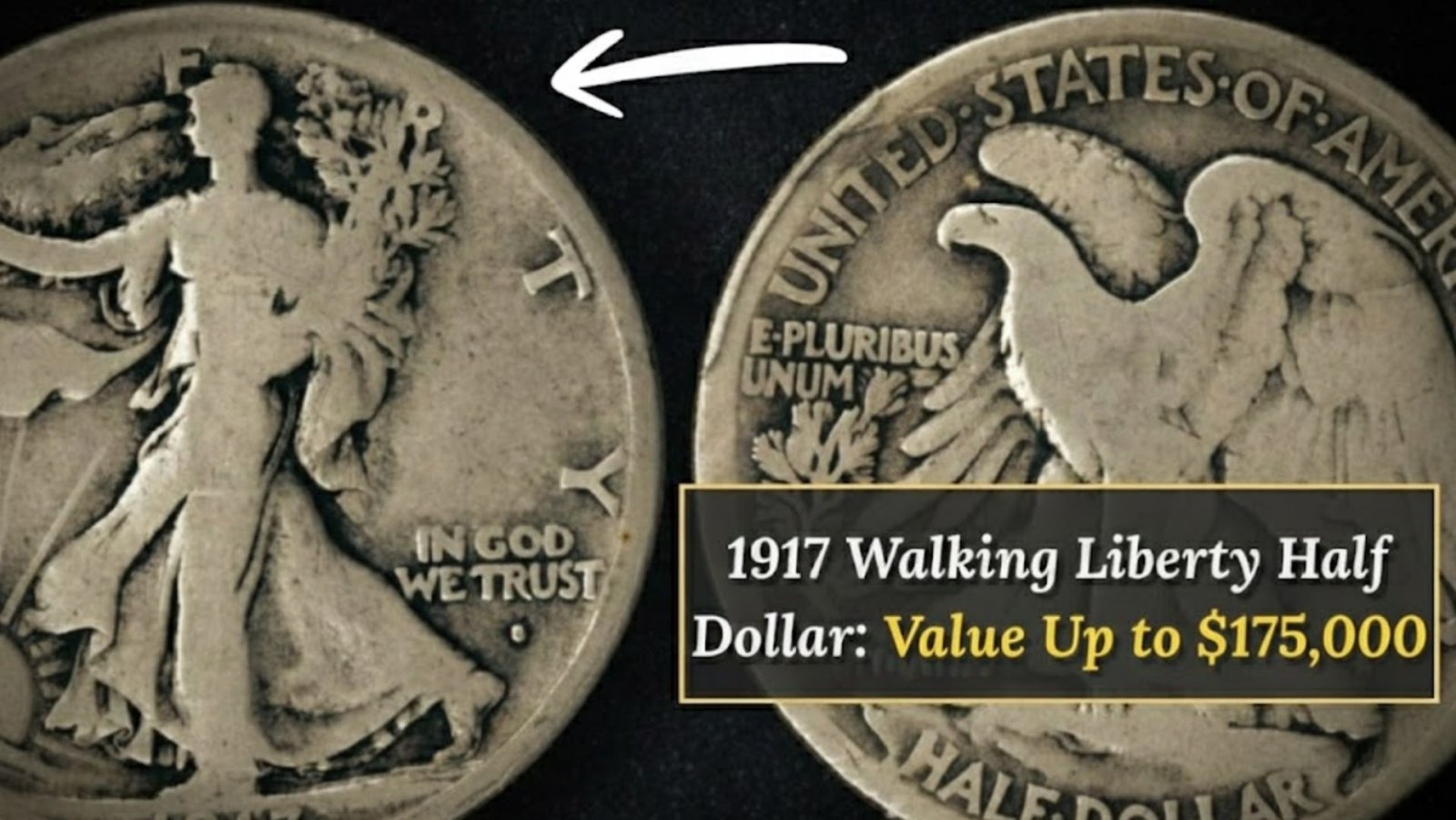
Imagine rummaging through an old family drawer and pulling out a shiny silver coin from 1917. What if that little half dollar could fund your dream vacation—or even a house down payment? In today’s economy, where every dollar counts (especially after those stimulus checks boosted our savings), discovering the true worth of historical coins like the Walking Liberty Half Dollar feels like striking gold. Stick around as we uncover its secrets, from humble origins to sky-high values, and how you can turn pocket change into a hobby that pays off.
What is the 1917 Walking Liberty Half Dollar?
The 1917 Walking Liberty Half Dollar is a stunning U.S. silver coin, featuring Lady Liberty striding forward with an olive branch. Minted at 90% silver, it’s part of the beloved Walking Liberty series that ran from 1916 to 1947. This half dollar, worth 50 cents back then, now captivates hobbyists for its artistic design and rarity.
But here’s the twist: Not all 1917 versions are equal. Varieties from Philadelphia, Denver, and San Francisco differ in mint marks and scarcity, driving up the 1917 Walking Liberty Half Dollar value.
The Fascinating History Behind It
Born during World War I, this coin debuted in 1916 under designer Adolph A. Weinman. The 1917 issues marked early production tweaks, like the San Francisco mint’s shift in mint mark placement—from obverse to reverse side.
These changes weren’t just cosmetic; they created rare subtypes amid wartime silver demands. Collectors today chase these pieces for their snapshot of American resilience and artistry.
Why It’s So Valuable Today
Fast-forward to 2025: Silver prices soar, and numismatic demand explodes. A beat-up 1917 Walking Liberty Half Dollar might fetch $20–$50, but pristine examples? Up to $175,000 at auction for ultra-rare 1917-S Reverse gems in MS-67 condition.
Why the hype? Scarcity meets beauty. Post-stimulus savers love it as an inflation hedge—far better than a bank account yielding pennies.
| Variety | Circulated (Good) | Uncirculated (MS-63) | Gem (MS-65+) |
|---|---|---|---|
| 1917 (Philadelphia) | $20–$40 | $150–$300 | $1,000–$5,000 |
| 1917-D | $25–$50 | $200–$400 | $2,000–$10,000 |
| 1917-S Obverse | $100–$200 | $500–$1,000 | $5,000–$20,000 |
| 1917-S Reverse | $300–$600 | $1,500–$3,000 | $10,000–$175,000 |
How to Get Started Collecting These Coins
Diving into Walking Liberty Half Dollar worth hunting is easy and fun—perfect for hobbyists eyeing smart investments with leftover stimulus funds. Start small: Buy certified coins from reputable dealers like APMEX or eBay authenticated sellers.
Join clubs like the American Numismatic Association for swaps and tips. Pro tip: Use that extra cash wisely to build a set without breaking the bank.
Notable Facts and Records
Did you know? Only 1.9 million 1917-S Reverse coins were struck—making it a key date. A 1917-S Obverse MS-66 sold for $22,800 in 2024. And Weinman’s design inspired modern eagles, linking past to present.
| Fact | Detail | Why It Matters |
|---|---|---|
| Rarest Variety | 1917-S Reverse | Fewer survivors boost 1917 Walking Liberty Half Dollar value |
| Auction Record | $175,000 (MS-67) | Shows peak potential for high-grade finds |
| Silver Content | 0.3617 oz pure silver | Ties to current metal prices for steady gains |
| Designer Legacy | Adolph A. Weinman | His Mercury dime pairs perfectly for collectors |
Expert Tips for Valuing Your Coin
Spot fakes by checking mint marks—low-relief “S” screams authenticity. Grade via PCGS or NGC for top dollar; a pro appraisal costs $20 but unlocks true worth.
Store in albums away from light to preserve luster. And remember: Condition is king— even minor wear slashes value by 80%.
Frequently Asked Questions (FAQs)
How much is a 1917 Walking Liberty Half Dollar worth in average condition?
Around $40–$100, but check varieties for surprises.
Are there fake 1917 half dollars?
Yes—always verify with magnification on the mint mark.
Where to sell my coin?
Try Heritage Auctions or local shops for quick cash.
Is it a good investment post-stimulus?
Absolutely—tangible assets like these beat volatile stocks for hobbyists.
In wrapping up, the 1917 Walking Liberty Half Dollar isn’t just silver—it’s a portal to history with real financial punch, potentially worth up to $175,000. Whether you’re a newbie hobbyist or stimulus-smart saver, start valuing your stash today. Share this guide with a friend, hunt your change jar, or explore more rare coin values. What’s your next collectible quest?