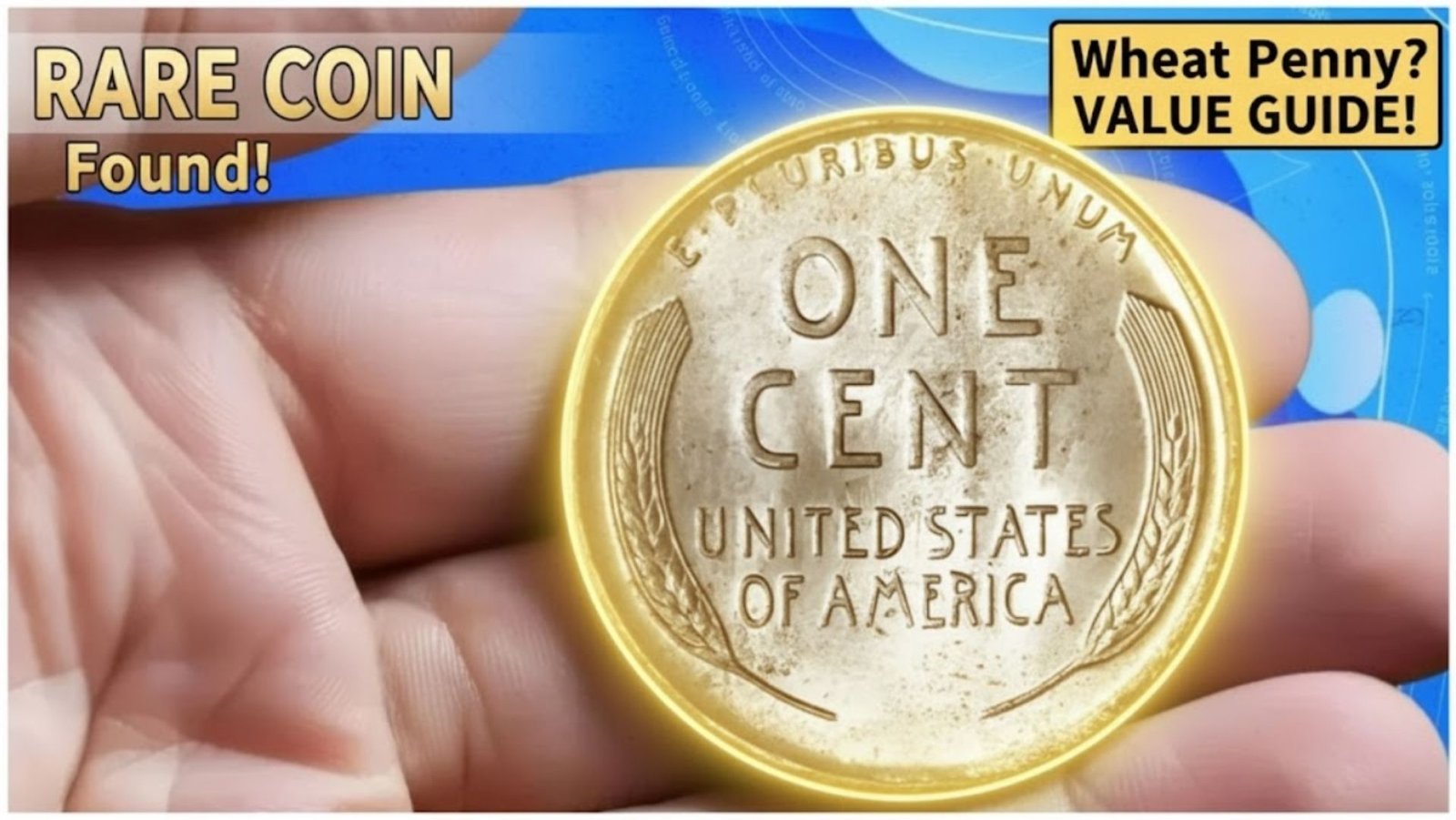
Ever dug through a jar of old coins and wondered if that dusty penny could be a jackpot? The Lincoln Wheat Penny, minted from 1909 to 1958, turns pocket change into potential treasure. In this guide, you’ll uncover a detailed wheat penny price chart, spot rare gems, and learn how to value your finds. Stick around—you might just discover your next big score!
What is a Wheat Penny?
The Wheat Penny, or Lincoln Wheat Cent, is a one-cent U.S. coin featuring Abraham Lincoln’s profile on the front. Flip it over, and you’ll see two wheat stalks framing “One Cent.” Designed by Victor David Brenner, it’s bronze (95% copper) until 1943’s steel wartime switch, then back to copper.
These small wonders ran from 1909 to 1958, making them a hobbyist’s dream. No mint mark means Philadelphia; “D” for Denver, “S” for San Francisco.
The Fascinating History of Wheat Pennies
Born in 1909 for Lincoln’s 100th birthday, the Wheat Penny honored the president on circulating money for the first time. Brenner’s “VDB” initials sparked drama—removed after just months, then added subtly later. Over 25 billion were minted, but errors and low-mintage years created rarities.
World War II forced steel pennies in 1943 (zinc-coated), a brief blip before copper’s return. By 1959, the wheat design bowed out for the Lincoln Memorial.
Why Wheat Pennies Matter Today
In today’s collector’s market, wheat penny values soar due to nostalgia and scarcity. Common ones fetch face value, but key dates like 1909-S VDB can hit thousands. With rising interest in rare coins, your grandma’s jar might hide a wheat penny worth $1 million!
They’re affordable entry points for hobbyists, blending history with investment potential.
How to Value and Collect Wheat Pennies
Start by checking date, mint mark, and condition—wear on Lincoln’s cheek or wheat lines tells the tale. Use our wheat penny price chart below for quick estimates.
| Year | Good (G-4) | Fine (F-12) | Very Fine (VF-20) | MS-63 |
|---|---|---|---|---|
| 1909 | $3–$4 | $5–$6 | $8 | $12 |
| 1910 | $0.35 | $1 | $4 | $10 |
| 1930 | $0.10 | $0.25 | $1 | $5 |
| 1950 | Face | $0.05 | $0.10 | $0.25 |
| 1958 | Face | $0.05 | $0.10 | $0.15 |
Notable Facts and Auction Records
Did you know? The 1943 bronze error penny sold for $1.7 million—struck on leftover copper planchets. Here’s a top rarities table:
| Rank | Variety | Value (MS-60+) |
|---|---|---|
| 1 | 1943-D Bronze | $800K–$2M |
| 2 | 1943-S Bronze | $500K+ |
| 3 | 1944-S Steel | $700K–$1M |
| 4 | 1955 Doubled Die | $4K–$16K |
| 5 | 1909-S VDB | $700–$2K+ |
Over 100 billion cents circulated, but errors make headlines.
Expert Tips for Aspiring Collectors
Store in albums away from air—copper loves tarnish. Focus on key dates: 1914-D, 1922 Plain. Join clubs like ANA for swaps. Always authenticate errors; fakes abound. Start small; build your wheat penny value knowledge over coffee chats.
Frequently Asked Questions
What’s the most valuable wheat penny?
The 1943-D Bronze, up to $2 million for gems.
Are all 1943 pennies rare?
No—steel ones are common; bronze errors are the prizes.
How do I spot a doubled die?
Look for thick, doubled lettering on the date or words.
Can I sell my wheat pennies online?
Yes, but grade first for max wheat penny value.
Why no VDB on later coins?
Public outcry over “advertising” led to its removal in 1909.
In wrapping up, the wheat penny price chart from 1909–1958 isn’t just numbers—it’s a gateway to history and hidden wealth in your pocket. Whether you’re a newbie spotting rare wheat pennies or a pro chasing records, this guide arms you with insights. Dive into your collection today, share your finds below, or explore more rare coin treasures. Happy hunting!