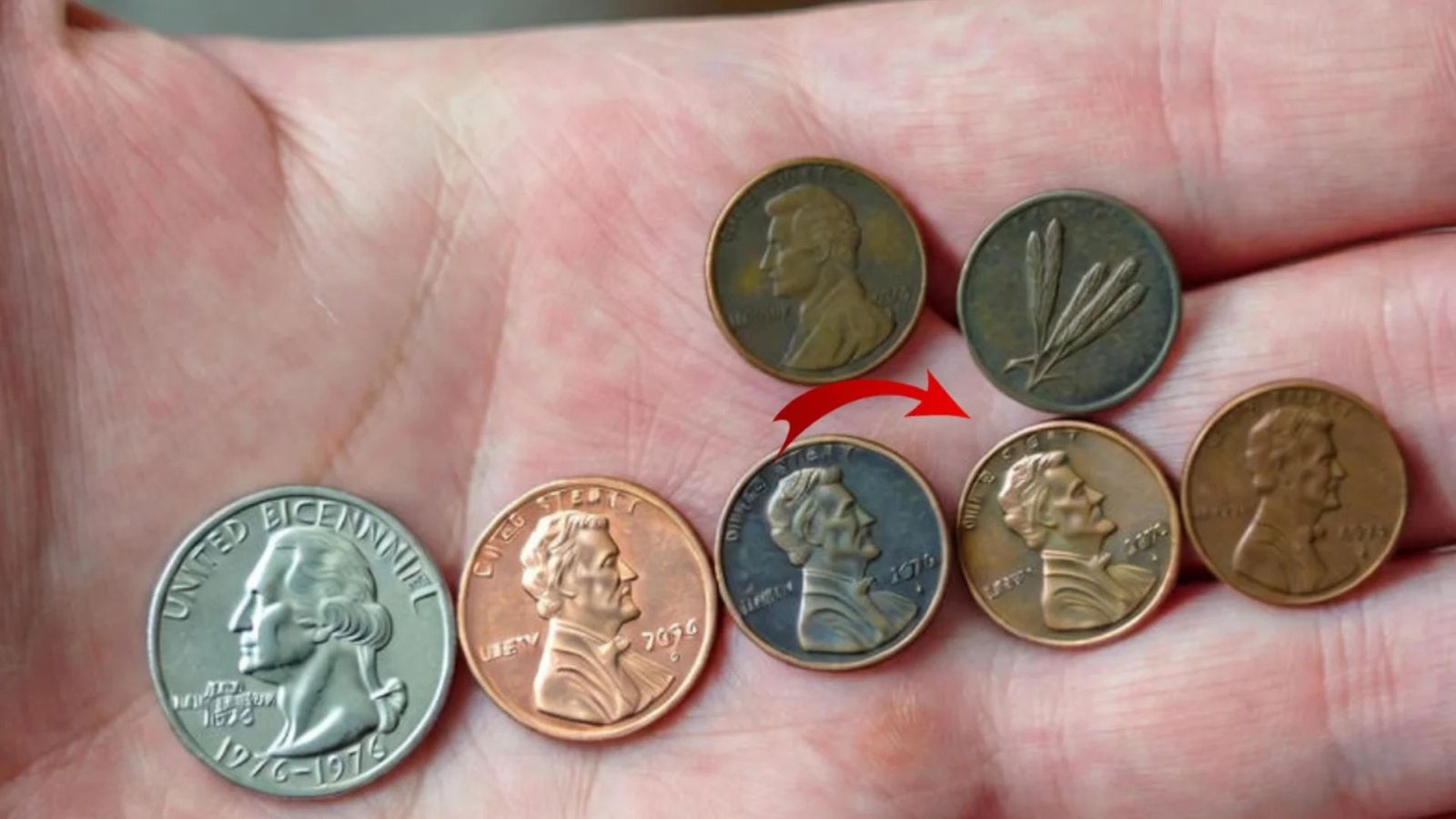
Imagine pulling a dusty old penny from your change jar, only to discover it’s a wheat penny worth over 10 years of hidden potential—perhaps thousands in today’s market. Minted from 1909 to 1958, Lincoln wheat cents have captivated collectors with their simple wheat-stalk reverse and Abraham Lincoln’s profile, but the real magic unfolds in their appreciating values. Over the last decade (2015–2025), surging demand from online auctions, millennial hobbyists, and nostalgia has driven wheat penny values 2025 upward by 20–50% for commons and exponentially more for rarities. From everyday finds fetching pennies to error coins smashing auction records, this guide decodes the trends, key dates, and tips to turn your stash into a collector’s jackpot.
What Makes Wheat Pennies So Valuable?
The wheat penny (or Lincoln Wheat Cent) started as everyday currency but evolved into numismatic gold due to low-mintage years, mint errors, and pristine condition. Copper composition (95% until 1943’s steel switch) adds intrinsic melt value, but collectors prize the history—honoring Lincoln’s centennial amid economic upheavals. Over 2015–2025, wheat penny trends past decade show steady climbs: Commons rose from 2–3 cents to 30 cents–$1.50, while uncirculated gems doubled to $6–$12. Factors like PCGS/NGC grading, red luster (RD designation), and varieties (doubled dies) amplify worth, with online platforms like eBay fueling a 30% demand spike post-pandemic. Today, even circulated pieces hold steady premiums over face value.
Key Dates and Varieties Driving the Surge
Not all wheat pennies are equal—rarity rules. Key dates like the 1909-S VDB (mintage 484,000) and 1914-D (1.1 million) have seen values explode, from $500–$1,000 in 2015 to $2,000–$10,000+ now in mid-grades. Errors, such as the 1943 bronze (struck on copper amid WWII steel production), command fortunes: A 1943-D sold for $840,000 in 2021. The 1955 Doubled Die Obverse, with its bold lettering doubling, jumped from $1,000 (2015) to $3,000–$5,000 for XF examples. Mint marks (no mark=Philadelphia, D=Denver, S=San Francisco) add layers—S-mints often premium 2–5x due to lower outputs.
Value Trends for Common vs. Key Dates
| Date/Variety | 2015 Avg Value (Circ/MS) | 2025 Avg Value (Circ/MS) | Trend Notes |
|---|---|---|---|
| 1940s Commons (e.g., 1941) | $0.10 / $5 | $0.25–$0.50 / $10 | +150% for MS; steady collector demand |
| 1909-S VDB (Key) | $300 / $1,500 | $800 / $5,000+ | Doubled; high-grade RD hits $100K+ |
| 1914-D (Key) | $200 / $2,000 | $500 / $10,000 | +400%; MS67 RD at $32,900 (2022) |
| 1943 Bronze Error | $100K+ / N/A | $500K–$1.7M | Record $1.7M; only ~20 known |
| 1955 DDO | $800 / $5,000 | $2,000 / $20,000+ | Visual appeal drives 2.5x rise |
Auction Highlights from 2015–2025
The past decade’s sales tell the story of booming rare wheat penny auction records. A 1943-S Bronze fetched $504,000 in 2020, up from $300K pre-2015 highs. In 2021, the 1943-D Bronze shattered expectations at $840K, spotlighting WWII errors. High-grade keys shone too: A 1917 Doubled Die MS67+RD hit $180,000 in 2019, while a 1931-S MS66 RD sold for $18,600 in 2011 but trends suggest $25K+ now. Heritage Auctions data shows average hammer prices for MS65+ pieces up 40%, with eBay fueling accessible sales for mid-tier coins ($50–$500 range). These records underscore why grading matters—certified coins often fetch 2–3x raw values.
How to Evaluate and Sell Your Wheat Pennies
Start by inspecting date, mint mark, and condition: Sharp details and original red color scream premium. Use a loupe for errors like doubled dies or weak strikes. For accuracy, submit to PCGS or NGC—grading boosts resale by 50–100%. Sell via eBay for quick flips, Heritage for high-end auctions, or local dealers for fair bulk deals. Avoid melt value temptations (current copper ~2 cents/penny); legal and collector ethics prevail. Track wheat penny collector guide 2025 updates on NGC/PCGS sites for real-time pricing.
Why Collect Wheat Pennies in 2025?
Beyond profit, wheat pennies embody American resilience—from WWI to post-WWII booms. The decade’s trends show no slowdown: New collectors via TikTok/Reddit have inflated commons 20%, while rarities like the 1922 No-D (up 300% to $500–$2,000) reward patience. Affordable entry ($1–$10 per coin) makes it beginner-friendly, yet portfolios can yield 10–15% annual returns. As supply dwindles, your humble penny could fund dreams—history in copper form.
FAQs – Wheat Penny Values 2025
- What’s the average wheat penny worth over 10 years for commons? Circulated 1940s–50s pieces rose from $0.10 (2015) to $0.25–$0.50 now—modest but steady.
- Which key date wheat pennies value skyrocketed most? 1914-D: From $2,000 MS (2015) to $10,000+; low mintage drives it.
- Are error wheat pennies like 1943 Bronze still available? Ultra-rare (~20 known); latest sales hit $1M+, but fakes abound—get certified.
- How has grading impacted wheat penny trends past decade? MS65+ RD examples tripled in value; certification adds trust and premiums.
- Where to sell for top wheat penny values 2025? Heritage Auctions for rarities ($10K+); eBay for commons—always authenticate first.
Conclusion
From quiet 2015 trades to 2025’s blockbuster auctions, wheat penny values over the past 10 years paint a collector’s dream: Steady gains for everyday pieces, life-changing hauls for keys and errors. Whether hunting grandma’s jar or building a set, focus on condition and certification to unlock true worth. Dive into this copper legacy today—your next find might rewrite your story. Happy hunting, and may your pennies yield golden surprises.