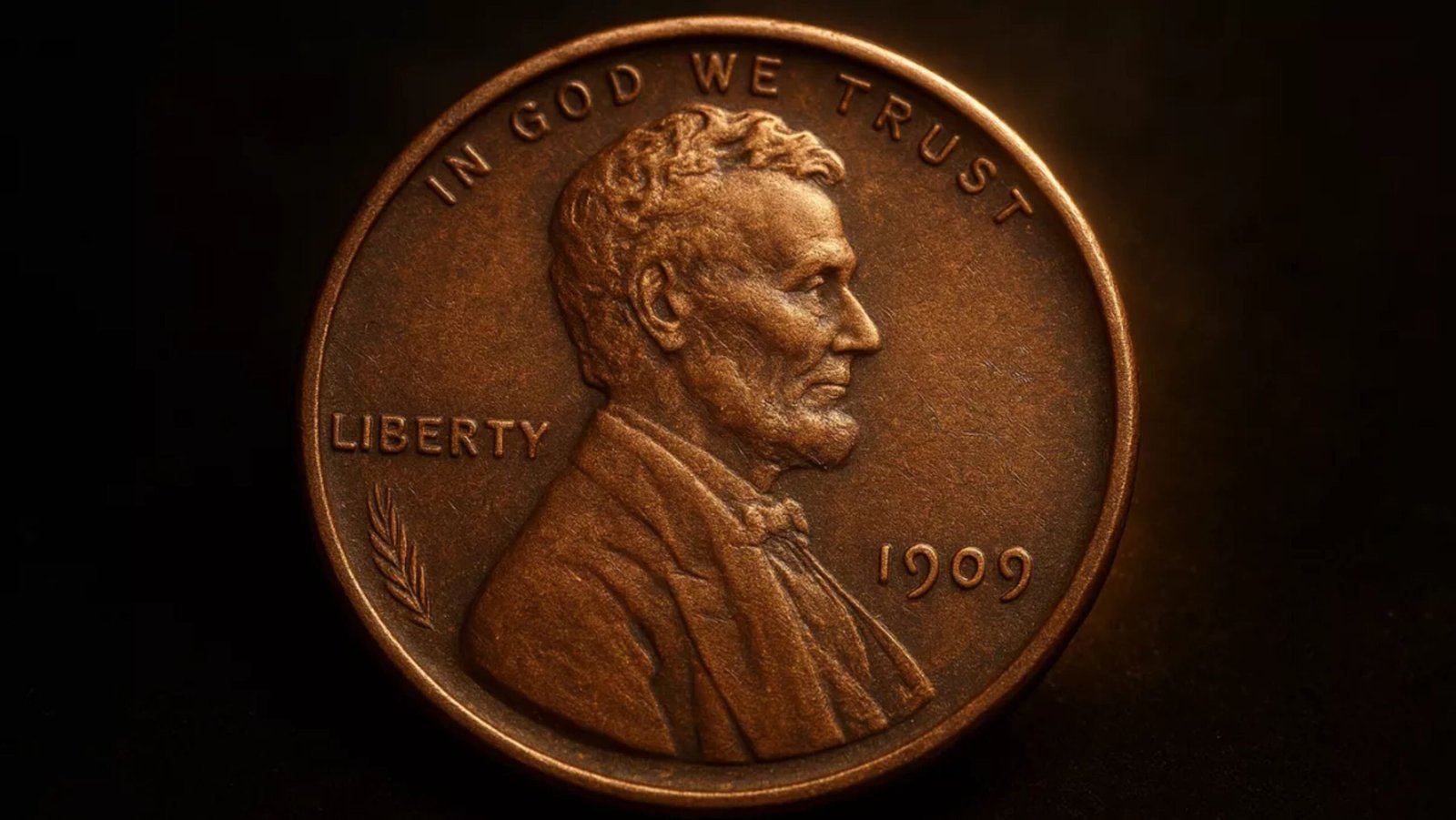
Imagine digging through your couch cushions and pulling out a dusty old penny worth billions. Sounds like a dream, right? The buzz around the “$2.9 billion Lincoln Wheat Penny” has coin enthusiasts buzzing, but is there truth to this wild tale? Spoiler: It’s more legend than lottery ticket. Yet, real rare coins like certain Lincoln Wheat Pennies are hiding in everyday change, potentially worth thousands. Stick around as we unpack the myth, history, and how you could strike numismatic gold.
What Is the Lincoln Wheat Penny?
The Lincoln Wheat Penny is an iconic U.S. one-cent coin minted from 1909 to 1958. Featuring Abraham Lincoln’s profile on the front and wheat stalks on the back, it’s a staple for hobbyists in the rare coin world.
This design replaced the Indian Head Penny, blending history with everyday use. But not all are equal—errors and low mintages turn ordinary pocket change into treasures.
The Origin Story: A Penny’s Path to Fame
Born in 1909 to honor Lincoln’s centennial, the Wheat Penny was sculpted by Victor David Brenner. The “VDB” initials on early versions sparked controversy, leading to their quick removal.
Over 50 years, billions were produced across Philadelphia, Denver, and San Francisco mints. Yet, key dates like the 1909-S VDB became instant rarities due to low output and public outcry.
Why Valuable Wheat Pennies Matter Today
In a digital age, tangible history like a rare Lincoln Wheat Penny connects us to the past. Collectors see them as investments—some fetch six figures at auction.
With pennies phasing out, interest in coin collecting surges. A single find could fund your dreams, proving why hunting valuable wheat pennies remains a thrilling hobby.
Spot a Rare Coin: Your Guide to Coin Collecting
Start simple: Check dates and mint marks (S for San Francisco, D for Denver). Look for doubling or missing letters—hallmarks of errors.
Use a magnifying glass for wear assessment; uncirculated gems shine brightest. Join online forums or local clubs to learn from fellow enthusiasts.
Top Valuable Wheat Pennies Compared
Here’s a quick look at standout rare coins based on recent auctions:
| Year & Variety | Key Feature | Auction Record | Why It’s Hot |
|---|---|---|---|
| 1909-S VDB | Designer’s initials | $168,000 | Ultra-low mintage (484,000) |
| 1914-D | Denver mint rarity | $159,000 | Only 1.2 million struck |
| 1955 Doubled Die | Obvious doubling | $1,900,000 | Famous minting error |
| 1922 Plain | No “D” mint mark | $67,500 | Accidental plain field |
These valuable wheat pennies highlight how scarcity drives value in the rare coin market.
Mind-Blowing Facts on Rare Pennies
Did you know? The 1955 Doubled Die error fooled the mint into overproducing flawed coins—now a collector’s dream.
Over 100 billion Wheat Pennies circulated, yet fewer than 1% are truly rare. And yes, some are still in your wallet!
Pro Tips from Coin Experts
Preserve finds in albums—avoid touching surfaces. Grade via PCGS for authenticity.
Hunt estate sales or bank rolls for undiscovered gems. Remember: Condition is king in coin collecting.
| Pros of Collecting Wheat Pennies | Cons |
|---|---|
| Affordable entry to rare coins | Fakes abound—verify carefully |
| Historical stories in your pocket | Storage needs space and care |
| Potential high returns | Market fluctuations possible |
Frequently Asked Questions
Is the $2.9 billion Lincoln Wheat Penny real?
It’s hype—no single penny hits that mark. But errors like the 1955 Doubled Die top $1 million.
How do I know if my penny is valuable?
Check date, mint mark, and errors. Apps like CoinSnap help beginners spot rare coins fast.
Where to sell a rare Lincoln Wheat Penny?
Try Heritage Auctions or eBay for starters; certified dealers offer fair deals.
Are wheat pennies still legal tender?
Absolutely—they’re U.S. currency, blending history with spendable fun.
In wrapping up, the “$2.9 billion Lincoln Wheat Penny” myth spotlights the magic of rare coins: hidden fortunes in plain sight. From humble origins to auction stardom, these valuable wheat pennies remind us history’s worth more than face value. Grab your change jar, start hunting, and share your finds below. Dive deeper into coin collecting with our guide to Indian Head Pennies next!