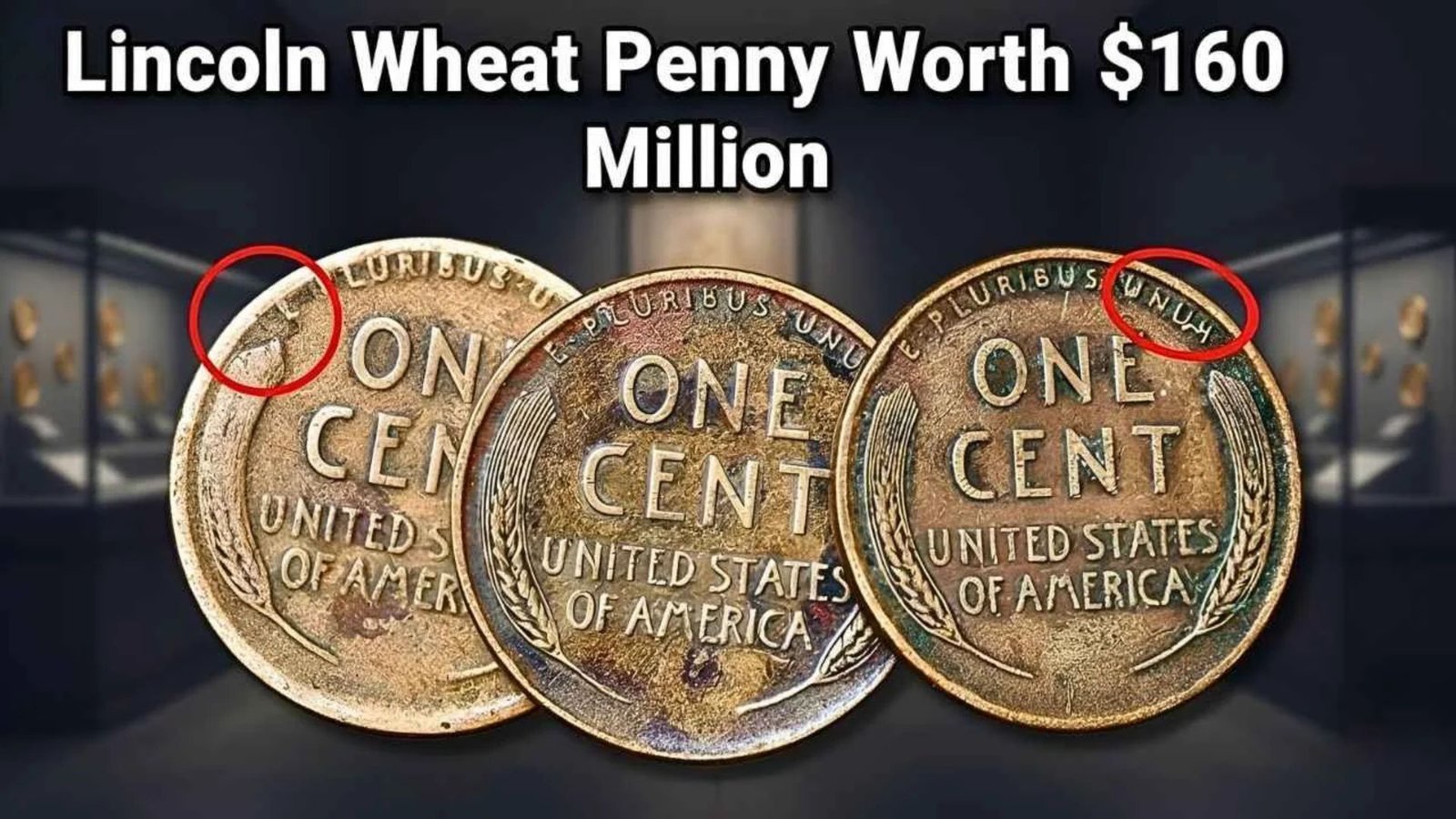
In the world of everyday money, few things seem more ordinary than a penny. But imagine if that tiny copper coin in your pocket could be worth a staggering $160 million. That’s the exciting buzz surrounding the Lincoln Wheat penny right now. This simple piece of American history, first made over a century ago, has collectors and everyday folks alike digging through their jars of loose change. In this article, we’ll break down the story of this ultra-rare coin, explain why it’s so valuable, and share tips on how you might spot one yourself. Whether you’re a coin enthusiast or just curious about hidden treasures, the tale of the $160 million penny proves that fortune can turn up anywhere.
What Makes the Lincoln Wheat Penny So Special?
The Lincoln Wheat penny isn’t just any old coin—it’s a piece of U.S. history stamped with the face of President Abraham Lincoln. Introduced in 1909 to honor the 100th anniversary of Lincoln’s birth, these pennies were made from 1909 to 1958. On the front, you’ll see Lincoln’s portrait, and on the back, two tall wheat stalks frame the words “ONE CENT.” That’s why they’re called “Wheat pennies.”
What turns a regular penny into a millionaire-maker? It all comes down to a mix-up at the U.S. Mint during World War II. Back in the early 1940s, the country was short on metals like copper because they were needed for the war effort. The Mint switched to using cheaper zinc-coated steel for pennies in 1943. But a small batch of pennies accidentally got made from leftover bronze—the shiny reddish metal used before the war. These “error coins” are incredibly rare, with only a handful known to exist. One such penny, if found in perfect shape, could fetch up to $160 million at auction, making it one of the most valuable coins in the world.
This wartime blunder created a treasure hunt that’s still going on today. Unlike fancy paintings or jewels, these pennies were meant for everyday use, so many slipped into circulation without anyone noticing. Now, experts believe at least one ultra-rare version is still out there, waiting to be discovered.
The Secret Behind Its Sky-High Value
Why would anyone pay millions for a coin worth just one cent? The answer lies in three key things that make collectibles priceless: how rare it is, how well it’s kept, and how badly people want it.
First, rarity. Out of billions of pennies minted, only a tiny number—like fewer than 20 confirmed examples—have this bronze error from 1943. That’s like finding a diamond in a coal mine.
Second, condition. Coins that look brand new, without scratches or wear, are graded highly by experts. A “pristine” penny could smash records, while a beat-up one might only be worth a few bucks.
Third, demand. Lincoln Wheat pennies are America’s favorite collectible coins. People love their classic design and the stories they tell about history. With coin collecting booming online and at shows, prices keep climbing.
To make this clearer, here’s a simple table explaining the main factors that boost a penny’s worth:
| Factor | What It Means | Example Impact on Value |
|---|---|---|
| Rarity | How few were made or survived | Only 10-20 known 1943 bronze pennies exist—could add millions to the price. |
| Condition | How clean and undamaged the coin is | A shiny, untouched coin might grade “MS-70” (perfect) vs. a worn one at “Good-4” (low value). |
| Demand | How many collectors want it | High interest from museums and hobbyists drives bids up at sales. |
These elements combined could make the $160 million Lincoln Wheat penny the star of the numismatics world— that’s the fancy term for coin collecting. Numismatics comes from the Greek word for “coin,” and it’s a hobby that’s grown hugely popular, with apps and online markets making it easy for anyone to join.
Is the $160 Million Penny Still Out There? The Thrill of the Hunt
Here’s what makes this story so thrilling: the rare penny isn’t locked away in a bank vault. Experts think it’s still circulating in the wild—mixed in with your daily change. Picture this: it could be:
- Tucked into a roll of coins at your local bank.
- Hidden in an old cookie jar full of pennies from Grandma’s house.
- Sitting in a vending machine’s coin tray.
- Even turning up in a kid’s savings jar after a lemonade stand sale.
Over the decades, other rare Wheat pennies have popped up in surprising places. One sold for $1.7 million after a man found it in his family’s attic. Another fetched thousands at a yard sale where the seller had no clue. These “finds” happen more often than you think, turning ordinary people into instant millionaires.
The idea of treasure in your pocket keeps the excitement alive. In a world of digital money and apps, holding a physical piece of history feels magical. And with inflation making headlines, more folks are turning to coins as a fun way to build wealth or just enjoy the chase.
How to Spot a Valuable Lincoln Wheat Penny: Easy Tips for Beginners
Don’t toss your pennies aside just yet! Spotting a potential gem is simpler than you might think. Start by grabbing a magnifying glass and checking these standout features:
Key Dates to Watch For
Not all Wheat pennies are winners, but certain years stand out due to low production or errors. Focus on these “key dates” for the best shot at value.
| Year | Why It’s Special | Potential Value Range |
|---|---|---|
| 1909-S VDB | First year with designer’s initials | $500 to $100,000+ |
| 1914-D | Very low mintage in Denver | $200 to $50,000 |
| 1922 Plain | Missing mint mark due to error | $500 to $10,000 |
| 1943 Bronze | Wartime copper mistake (the big one) | $100,000 to $160 million! |
| 1944 Steel | Opposite error—steel during bronze era | $10,000 to $100,000 |
Other Quick Checks
- Design Details: Front shows Lincoln facing right; back has wheat ears. If it’s off, it might be fake or rare.
- Color and Feel: Normal ones are reddish-brown. A silvery steel look or unusual weight could signal an error.
- Mint Marks: Tiny letters under the date (like “D” for Denver or “S” for San Francisco) often mean higher value.
If you spot something suspicious, snap clear photos from both sides and head to a local coin shop. Better yet, send it to pros like the Professional Coin Grading Service (PCGS) or Numismatic Guaranty Corporation (NGC). They’ll authenticate it safely, and if it’s a winner, handle the sale.
Remember, even common Wheat pennies from the 1940s can sell for $1 to $20. It’s a low-risk hobby that could pay off big.
The Bigger Picture: Why Coin Stories Like This Matter
The $160 million Lincoln Wheat penny isn’t just about money—it’s a window into America’s past. Minted during tough times like the Great Depression and World War II, these coins remind us of resilience and ingenuity. The Mint’s quick switch to steel saved resources for the troops, but that one little mistake created legends.
Today, as people rethink saving in an uncertain economy, stories like this spark joy. Coin collecting, or numismatics, isn’t just for the wealthy—it’s accessible, educational, and full of surprises. Online forums, YouTube channels, and apps make it easy to learn more and connect with others hunting for that next big find.
Conclusion: Your Change Could Change Everything
The legend of the $160 million Lincoln Wheat penny shows that true value often hides in the smallest places. From wartime errors to attic discoveries, this coin’s story blends history, luck, and a dash of detective work. Whether you strike gold or just enjoy the search, next time you get a handful of change, pause and peek. Who knows? That shiny Wheat back might lead to your own slice of fortune. Start sorting today—happy hunting!
Frequently Asked Questions About the Valuable Lincoln Wheat Penny
Q: Is the $160 million valuation real?
A: Yes, experts estimate a perfect 1943 bronze error penny could reach that price based on past sales of similar rarities.
Q: Which years are the hottest for collectors?
A: Look for 1909, 1914-D, 1922, 1943 (copper version), and 1944 (steel version).
Q: What drives the high prices?
A: It’s a combo of being super rare, mint mistakes, unique metal mixes, and strong buyer interest.
Q: Can it really still be in everyday money?
A: Absolutely—many rare coins circulate unnoticed for decades.
Q: How do I know if it’s a Wheat penny?
A: Check for Lincoln’s face on the front and wheat stalks on the back; made from 1909 to 1958.
Q: What if I find a suspect coin?
A: Get it checked by PCGS or NGC for grading—they’re the gold standard in coin authentication.