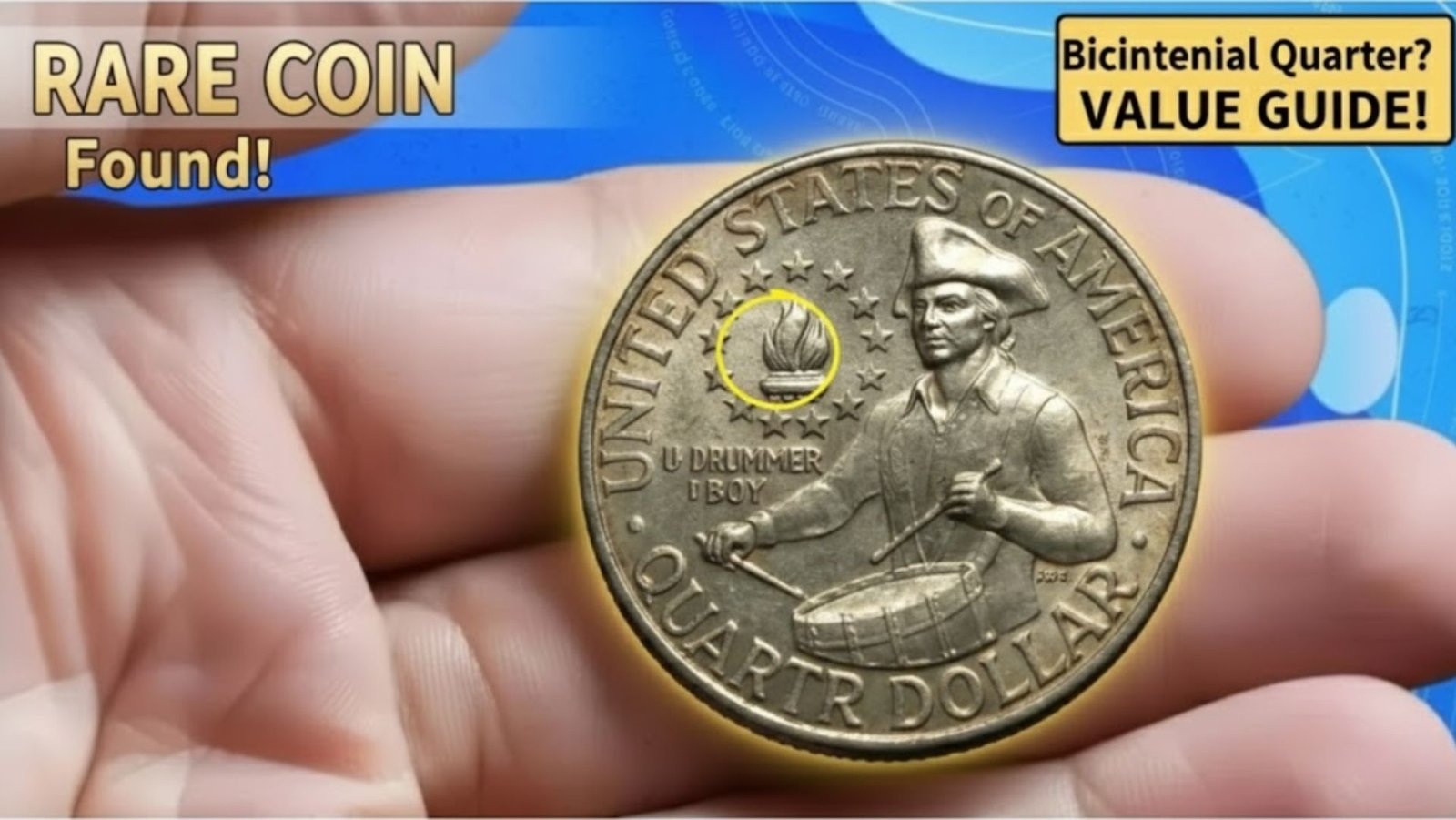
Imagine digging through your junk drawer, pulling out a dusty 1976 quarter, and realizing it could fund your next vacation. That’s the thrill hitting coin collectors in 2025. With rare Bicentennial Quarter values surging, this patriotic piece from America’s 200th birthday bash is hotter than ever. Whether you’re a hobbyist eyeing ways to invest your stimulus check savings or just curious about pocket change treasures, stick around. We’ll uncover its history, sky-high prices, and tips to snag one yourself.
What is the Bicentennial Quarter?
The Bicentennial Quarter is a special 1976 edition of the Washington quarter. It sports the usual George Washington on the front but flips to a festive reverse: a drummer boy marching with a torch and stars. Dated 1776-1976, it honors U.S. independence. Minted in Philly, Denver, and San Francisco, most circulated ones are clad copper-nickel. But silver proofs? Those are the gems driving up Bicentennial Quarter value today.
The History Behind the 1976 Coin
Back in the ’70s, America geared up for its 200th birthday. Congress tapped the U.S. Mint for commemorative coins—no new designs, just tweaks to quarters, halves, and dollars. Designer Dennis R. Williams crafted the reverse, beating out 5,000 entries in a contest. Over 1.6 billion quarters rolled out, but special silver-clad versions for collectors added sparkle. This nod to revolution sparked a collecting craze that echoes now, especially as nostalgia fuels rare coin hunts.
Why Its Value is Exploding in 2025
Collector demand is booming. Low-mintage silver editions and mint errors like double dies or off-center strikes are fetching top dollar. Economic vibes play in too—folks with stimulus check leftovers are dipping into coin collecting as a fun investment. High-grade 1976-S silver quarters hit $19,200 at auction. Errors? Some whisper millions, though that’s hype for ultra-rares. Inflation and scarcity make Bicentennial Quarter value a smart hobby bet.
| Rare Variety | Key Feature | Average 2025 Value |
|---|---|---|
| 1976 No-S Proof | Missing San Francisco mint mark | $10,000–$500,000+ |
| Double Die Obverse | Doubled lettering on front | $500–$5,000 |
| Off-Center Strike | Misaligned design | $200–$2,000 |
| Silver Clad High Grade | MS-69 or better | $100–$20,000 |
How to Spot and Collect These Treasures
Start simple: Check your change for the drummer reverse. Use a magnifier for errors like filled mint marks or grease strikes. Buy from reputable dealers or eBay, but get ’em graded by PCGS or NGC. Tie it to your stimulus check windfall—$200 kicks off a starter set. Join clubs for swaps and stories. It’s not just collecting; it’s building wealth one quarter at a time.
Notable Facts and Record Sales
- Over 1.6 billion minted, but errors number in thousands—making hunts exciting.
- A 1976-D with no mint mark sold for $15,000 in 2025.
- Silver versions contain 40% silver, tying value to metal prices.
| Pros of Collecting Bicentennial Quarters | Cons |
|---|---|
| Affordable entry (under $5 for commons) | Fakes flood markets |
| Potential 100x returns on errors | Storage needs care to avoid damage |
| Fun history tie-in for families | Market volatility like stocks |
Expert Tips for New Collectors
Dive in with a $200–500 budget for basics. Focus on uncirculated rolls from banks. Learn grading: MS-65 means near-perfect shine. Network on forums—patience pays off, as values climb slowly but surely. And hey, use that stimulus check boost to grab a silver proof set.
Frequently Asked Questions (FAQs)
Is my 1976 quarter worth more than 25 cents?
Most aren’t, but check for silver edge or errors.
Where to sell rare Bicentennial Quarters?
Auctions like Heritage or local shops.
Best way to invest stimulus check in coins?
Start with certified sets; diversify beyond quarters.
Are fakes common?
Yes—always verify with pros.
The Bicentennial Quarter isn’t just shiny change—it’s a slice of history turning into profit. From error hunts to investment smarts, you’ve got the scoop to join the frenzy. Dust off your jars, grab a loupe, and start collecting. Share your finds below or explore more on rare quarters. Who knows? Your next stimulus check could multiply in a coin folder.