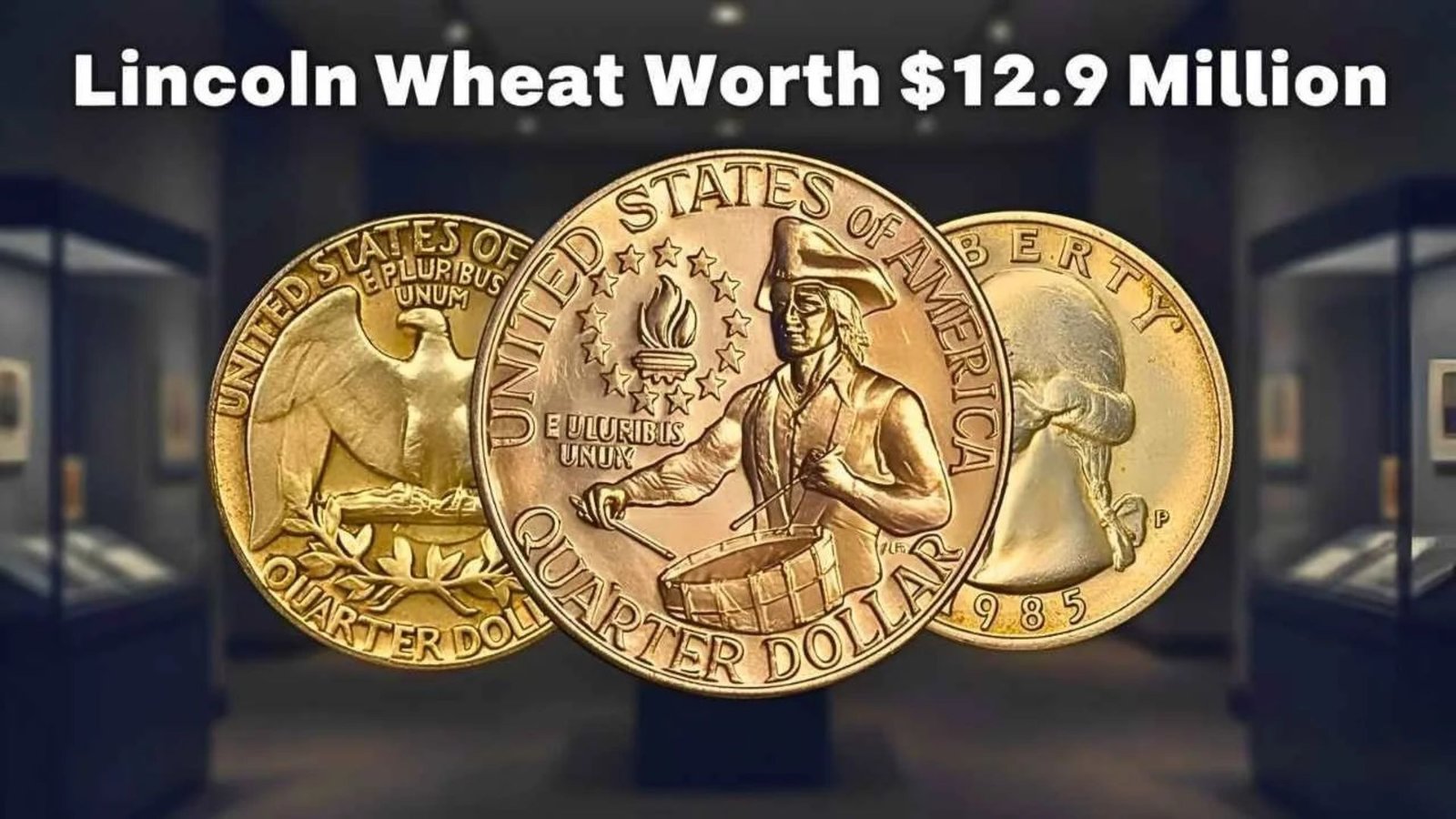
The humble penny, often overlooked as mere pocket change, can sometimes hold incredible secrets. Imagine finding a simple copper coin from your grandma’s jar that’s suddenly worth a fortune. That’s the magic of the Lincoln Wheat penny—a classic American coin that’s sparked excitement among collectors for over a century. In this article, we’ll dive into the story behind a rumored Lincoln Wheat penny valued at a staggering $12.9 million. Could such a gem still be circulating in everyday money? We’ll break it down in easy terms, share tips on spotting valuables, and explore why these tiny treasures matter. Whether you’re a coin enthusiast or just curious about hidden riches, keep reading to uncover the facts.
A Quick Look at Lincoln Wheat Pennies
Lincoln Wheat pennies are one of the most beloved coins in U.S. history. First minted in 1909 to honor President Abraham Lincoln’s 100th birthday, they feature his profile on the front and two stalks of wheat on the back—hence the name “Wheat penny.” The U.S. Mint produced these coins until 1958, making billions of them. Most are worth just a cent, but a few rare ones have turned ordinary people into millionaires.
These pennies were made mostly of copper, which gives them that warm, reddish shine. During World War II, copper was scarce, so some pennies were struck using steel instead, leading to unique mistakes that boost their value today. Collectors love them for their history and design, created by artist Victor David Brenner. If you’re sorting through old change, knowing a bit about these coins could lead to a big surprise.
The Story of the $12.9 Million Penny: Fact or Legend?
Rumors swirl about a super-rare Lincoln Wheat penny that’s supposedly worth $12.9 million in perfect condition. This isn’t just hype—it’s based on real collector buzz. The value comes from a mix of factors: a tiny production run, a one-of-a-kind minting flaw, and pristine shape with no scratches or wear.
While the exact coin behind this price tag isn’t named publicly, experts point to extreme rarities like error strikes or odd metal mixes. For example, during the 1940s war years, the Mint switched to zinc-coated steel for pennies to save copper for bullets and tanks. But a handful of copper versions slipped through in 1943, and steel ones appeared in 1944. These “error coins” are like winning the lottery—only a few dozen exist, and they’ve fetched huge sums at auctions.
Picture this: A collector in the Midwest once pulled a 1943 copper penny from a bank roll and sold it for over $1 million. The $12.9 million figure? It represents what one flawless example might go for today, factoring in inflation and demand from wealthy buyers. But is it real? Coin experts say yes, in theory, though finding one would be like spotting a needle in a haystack.
Are Valuable Wheat Pennies Still in Everyday Use?
You might wonder: In a world of digital payments, could a multi-million-dollar penny really turn up in your pocket? The short answer is yes—it’s rare, but it happens. Wheat pennies stopped being made in 1958, but millions still float around. Older banks, vending machines, and family heirlooms keep them in play.
Stories abound of lucky finds:
- A kid in Pennsylvania discovered a rare 1909 penny in his dad’s toolbox, worth $100,000.
- An elderly woman found a 1914-D in her late husband’s coin purse, selling for $150,000.
- Even in 2023, a man bought a bag of pennies from a coin machine and uncovered a 1922 “No D” error valued at $500.
These tales show that circulation isn’t dead for old coins. In areas with lots of cash transactions, like small towns or flea markets, they’re more common. So, next time you get change at a gas station, give it a quick glance—who knows what fortune awaits?
Top Rare Lincoln Wheat Pennies to Hunt For
Not every Wheat penny is a jackpot, but certain years and varieties stand out. Focus on these if you’re checking your stash. We’ve put together a simple table below to explain the stars of the collection. It lists key dates, why they’re special, and rough values in good condition. Remember, prices vary based on wear—mint-fresh examples can multiply the worth.
| Year & Variety | Why It’s Rare | Estimated Value (in USD) | Fun Fact |
|---|---|---|---|
| 1909-S VDB | First year with designer’s initials; low mintage of 484,000 | $500–$100,000+ | Only 500,000 made; “VDB” stands for Victor David Brenner. |
| 1914-D | Denver Mint produced just 1.2 million; high demand | $200–$50,000+ | Abraham Lincoln’s face looks extra sharp in top grades. |
| 1922 “No D” | Missing mint mark due to a worn die; about 500 known | $1,000–$500,000 | Looks like a plain Philly coin but was made in Denver. |
| 1943 Copper | Bronze instead of steel during WWII; only 20-30 exist | $100,000–$2 million+ | A “wrong metal” mistake that’s now a holy grail. |
| 1944 Steel | Steel instead of copper; another wartime goof, fewer than 50 | $50,000–$1 million+ | Collectors call it the “Tin Penny” for its silvery look. |
This table makes it easy to spot potentials without jargon. Values are averages from recent sales—always get a pro check for the real deal.
Simple Steps to Check Your Pennies for Value
Think you’ve got a winner? Don’t rush to polish it—that’s a big no-no! Cleaning removes the natural patina (that outer layer) and tanks the value. Instead, follow these beginner-friendly steps:
Step 1: Basic Inspection
Grab a magnifying glass and good light. Look at:
- The Date: Anything before 1930 is a good start.
- Mint Mark: Tiny “D” (Denver), “S” (San Francisco), or none (Philadelphia) under the date.
- Color and Feel: Copper should be reddish; steel ones are gray and lighter.
- Design Flaws: Fuzzy letters, doubled edges, or off-center strikes scream “error.”
Step 2: Safe Storage
Pop it in a soft plastic flip or holder. Avoid touching the surfaces—oils from your fingers can harm it.
Step 3: Get Expert Help
Snap clear photos from both sides. Then reach out to trusted graders:
- PCGS: Known for strict standards and a big buyer network.
- NGC: Great for beginners, with online tools to submit.
They’ll slab (seal) it in a protective case with a grade from 1-70—higher means more money. Fees start low, around $20-50 per coin.
Pro tip: Join free online forums like CoinTalk or Reddit’s r/coins to share pics anonymously first.
Why Collect Lincoln Wheat Pennies Today?
Beyond the cash potential, these coins connect us to history. They saw America through world wars, the Great Depression, and booms. Each one tells a story—of wartime rationing, economic shifts, or just a family’s savings. Collecting builds patience and knowledge, and it’s affordable to start: Common Wheat pennies cost pennies (literally!).
In a fast-cash world, hunting these relics reminds us of simpler times. Plus, with coin values rising 5-10% yearly, it’s a smart hobby.
Wrapping It Up: Your Chance at Coin Glory
The allure of a $12.9 million Lincoln Wheat penny proves that fortune favors the curious. While that exact prize might be a collector’s dream, everyday rarities like the ones in our table could still lurk in your drawer or a friend’s jar. Start small: Sort that old change, learn the signs, and consult experts if something shines. You don’t need to be a pro to strike gold—just a bit of luck and know-how.
Who knows? Your next vending machine quarter might lead to a Wheat penny windfall. Happy hunting, and remember: Every coin has a story—yours could be next. If you’ve got a find, share in the comments below!