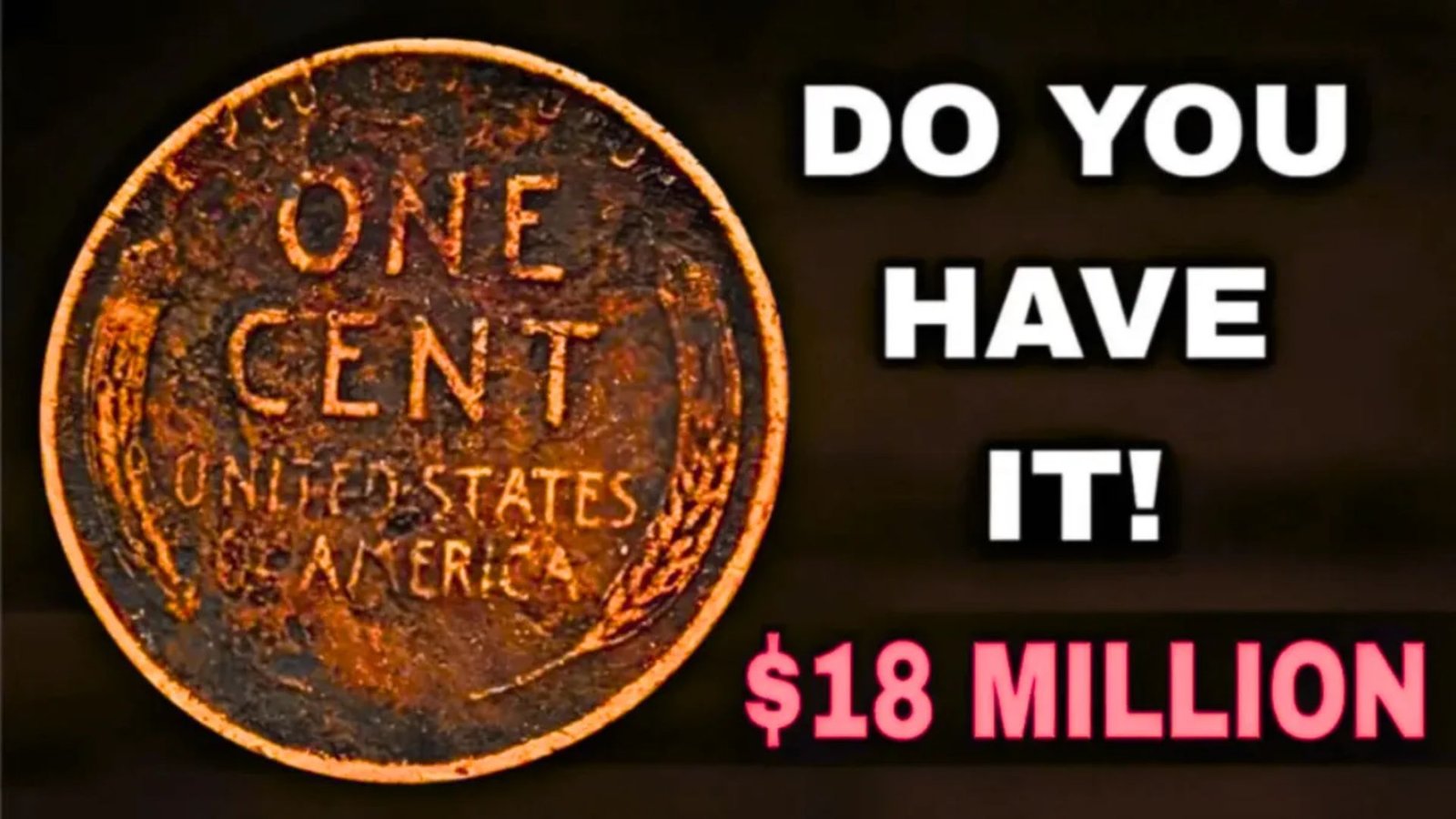
Wheat Pennies—officially known as Lincoln Wheat Cents—have become one of the most exciting collectibles for coin enthusiasts over the past decade. From rare error coins selling for over a million dollars to common dates steadily gaining value, the last 11 years have been a golden period for collectors, investors, and hobbyists.
If you’ve ever wondered how much your Wheat Pennies might be worth today—or how their value has changed over time—this guide breaks everything down in a simple, collector-friendly way.
Why Wheat Pennies Continue to Rise in Value
Wheat Pennies were minted from 1909 to 1958, and even though billions were produced, the demand for early dates, rare mint marks, and error varieties has skyrocketed.
Over the last decade, Wheat Penny values have climbed for several reasons:
- Increased interest in coin collecting among younger generations
- Record-setting auction prices for rare error pennies
- Greater awareness due to viral news, YouTube videos, and social media
- Limited supply of high-grade early pennies
- Growing investor interest in tangible historical assets
This perfect storm has transformed Wheat Pennies into one of the most profitable and accessible collectibles in America.
Wheat Penny Value Trends (2014–2025)
How Their Worth Has Grown Over 11 Years
Below is a year-by-year breakdown of the general trends in Wheat Penny values across different categories: common dates, key dates, and rare errors.
2014–2016: Rising Awareness & Steady Growth
During these years, coin collecting saw renewed interest thanks to online communities and coin roll hunters.
- Common Wheat Pennies: Worth 3–10 cents
- Key Dates (e.g., 1909-S VDB, 1914-D): Moderate increases
- Errors: Rare doubled dies started gaining momentum
Collectors began holding onto early 1909–1920s pennies as values crept upward.
2017–2019: Market Expansion & Higher Auction Prices
High-profile auctions brought national attention to rare pennies.
- Common Dates: 10–20 cents
- Better Dates: 50%–100% increase
- Major Errors: 1943 Bronze and 1944 Steel coins crossed the $1 million mark
- Doubled Dies: 1955 and 1917 doubled dies saw significant appreciation
These years pushed the Wheat Penny market into a mainstream spotlight.
2020–2022: Pandemic Boom for Collectibles
During global lockdowns, people rediscovered old hobbies—including coin collecting.
- High demand for Wheat Pennies
- Common dates: Increased to 15–35 cents
- Key dates: Price jump due to limited supply
- High-grade coins: Premiums reached record highs
Collectors turned everyday change into treasure hunts.
2023–2025: Viral Stories & Explosion in Error Coin Values
Thanks to viral social media content, Wheat Pennies gained massive attention.
- Stories of million-dollar pennies spread globally
- Error coins—especially wrong-planchet strikes—saw extraordinary increases
- Common Wheat Pennies: 25–50 cents each
- Key dates: Doubled or tripled in value compared to a decade ago
- Ultra-rare coins: Now valued in the 7–8 figure range
Even ordinary pocket-change pennies from the 1940s and 1950s are now worth more than ever before.
Most Valuable Wheat Pennies in the Last 11 Years
These coins have become superstars in the collecting world:
1. 1943 Bronze Wheat Penny
- Value: $1.7 million+
- Reason: Wrong metal struck during WWII
2. 1944 Steel Penny
- Value: Up to $1.1 million
- Reason: Steel planchets accidentally leftover
3. 1909-S VDB
- Value: Up to $100,000+ in mint condition
- First year and highly limited mintage
4. 1914-D Lincoln Penny
- Value: $5,000 to $25,000
- One of the lowest-mintage Wheat cents
5. 1955 Doubled Die Penny
- Value: $1,000 to $50,000
- Most famous error in penny history
Why the Value of Wheat Pennies Will Keep Increasing
Experts predict Wheat Penny values will continue climbing because:
- The coins are no longer made
- Many are lost, damaged, or melted
- Younger collectors are joining the hobby
- High-profile auctions keep boosting interest
- Error coins are becoming cultural sensations
In short: Demand continues to rise, supply keeps shrinking.
How to Check if Your Wheat Penny Is Valuable
Before you spend, sort, or store your pennies—check for:
Rare dates
Mint marks (S, D, or no mint mark)
Doubling errors
Wrong metal composition
High-grade surfaces
Off-center or mis-struck designs
Even a common coin in exceptional condition can be worth far more than you expect.
Final Thoughts
Over the last 11 years, the value of Wheat Pennies has surged like never before. Whether you’re a seasoned collector or just starting out, now is the perfect time to explore your coin jars, inherited collections, and old rolls.
You never know—your next Wheat Penny discovery could be worth hundreds, thousands, or even millions.