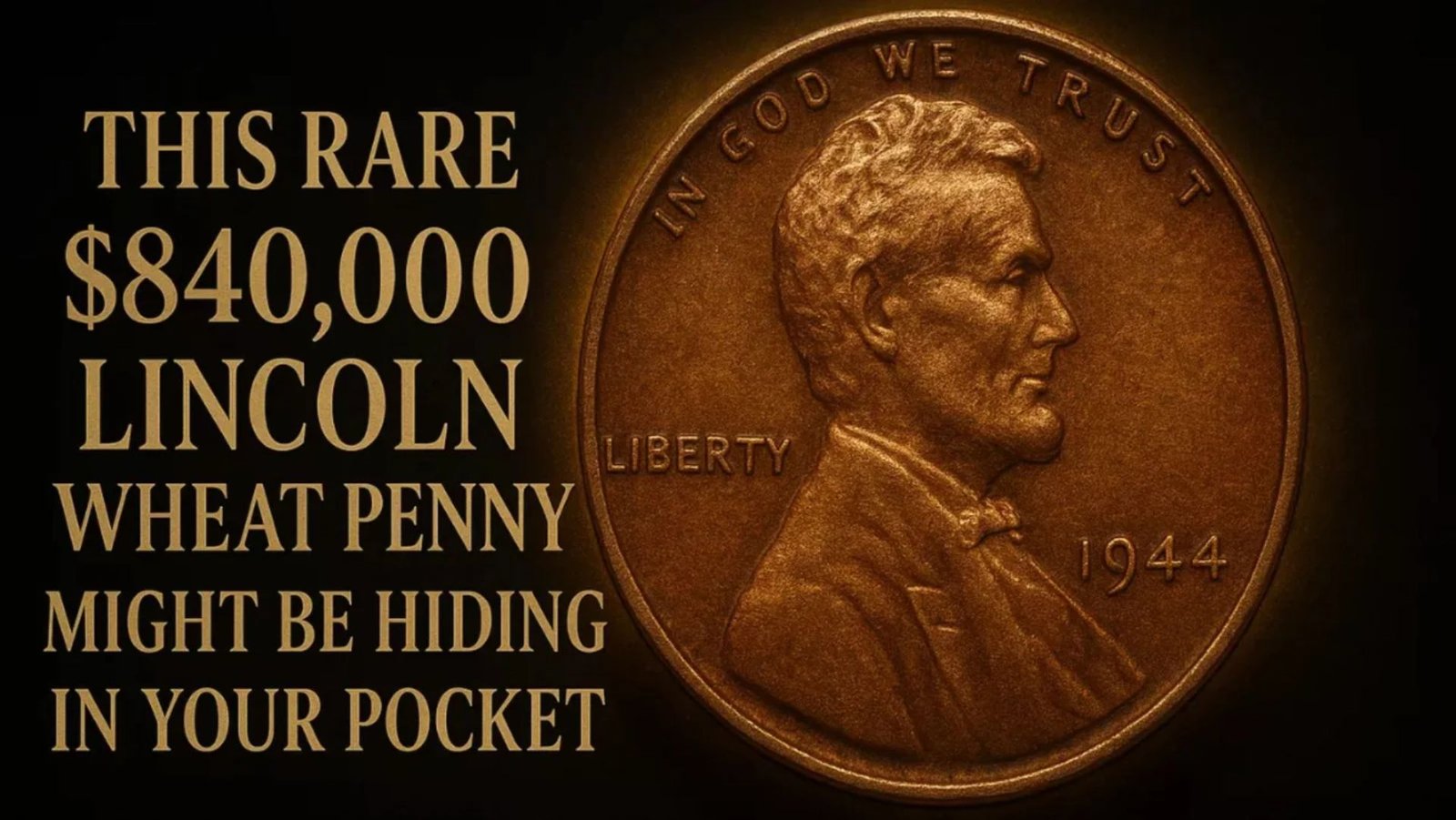
Imagine digging through your couch cushions or sorting pocket change, only to uncover a tiny copper treasure worth a small fortune. That’s the dream for rare coin hunters. The 1943 copper Lincoln Wheat Penny isn’t just any old coin—it’s a WWII-era mistake that could change your life. Stick around as we dive into its story, spot-it tips, and why it’s buzzing in the hobbyist world today. You might just find one lurking in your jar of loose change.
What is the 1943 Copper Lincoln Wheat Penny?
The Lincoln Wheat Penny, a U.S. classic since 1909, features Abe Lincoln’s profile and wheat stalks on the reverse. But the 1943 version? It’s special. While most 1943 pennies are dull steel, this rare gem is struck in shiny bronze. It’s a “wrong planchet” error—using leftover copper blanks by mistake. Hobbyists call it the holy grail of pocket change finds.
The Fascinating History Behind This Rare Coin
World War II changed everything. Copper was vital for bullets and wiring, so the U.S. Mint ditched it for pennies, opting for zinc-coated steel in 1943. Over a billion steel cents rolled out. But a handful of 1942 bronze planchets slipped through, creating these ultra-rare errors at Philadelphia, Denver, and San Francisco mints. It’s a wartime blunder turned collector’s dream.
Why This Penny is Worth a Fortune Today
In today’s market, rarity rules. With only 20-30 known examples, demand from rare coin enthusiasts skyrockets prices. A pristine one fetched $840,000 at auction in 2025. It’s not just money—owning one connects you to history, making it a hot item for investors and history buffs alike.
How to Spot a Valuable Penny in Your Pocket Change
Think you’ve got a winner? Check your 1943 pennies. Steel ones are common and worth a buck or two. But if it’s reddish-brown copper? Hold onto it! Use a magnet—steel sticks, copper doesn’t. Consult a pro for authentication to cash in on this valuable penny. Start with grandma’s coin jar today.
| Feature | 1943 Steel Penny | 1943 Copper Penny |
|---|---|---|
| Material | Zinc-coated steel | 95% copper, 5% tin/zinc |
| Rarity | Billions minted | 20-30 known |
| Magnet Test | Attracts | Repels |
| Value | $0.01-$1 | $100K+ |
Mind-Blowing Facts and Auction Records
Did you know the rarest is the 1943-D copper, with just one confirmed? It smashed records at $1.7 million. Here’s a quick look at top sales:
| Mint Mark | Sale Year | Auction Price | Notes |
|---|---|---|---|
| Philadelphia | 2025 | $840,000 | Heritage Auctions |
| Denver (D) | 2010 | $1.7M | Only known example |
| San Francisco (S) | 2023 | $1M+ | Near-mint condition |
These stats show why rare coins like this dominate headlines.
Expert Tips for Rare Coin Collectors
Hunt smart: Join clubs like the American Numismatic Association for swaps and tips. Store finds in albums away from air—oxidation kills value. And always grade with PCGS or NGC for max payout. Pro insight: Focus on errors; they’re the real gold in Lincoln Wheat Pennies.
Frequently Asked Questions
Is every 1943 penny valuable?
No, only copper ones. Steel versions are everyday change.
How do I sell a rare 1943 copper penny?
Auction houses like Heritage are best. Get it certified first.
Are there fakes out there?
Yes, plenty. Pros use X-rays and weight tests to spot ’em.
What’s the most valuable Lincoln Wheat Penny ever?
The 1943-D copper at $1.7 million takes the crown.
Ever thought a penny could buy a car? The 1943 copper Lincoln Wheat Penny proves it— a wartime whoopsie now worth fortunes. We’ve covered its history, hunt tips, and jaw-dropping values. Dig into your change, connect with collectors, and who knows? Your next rare coin find could be life-altering. Share your hunts below or check our guide to other valuable pennies. Happy hunting!