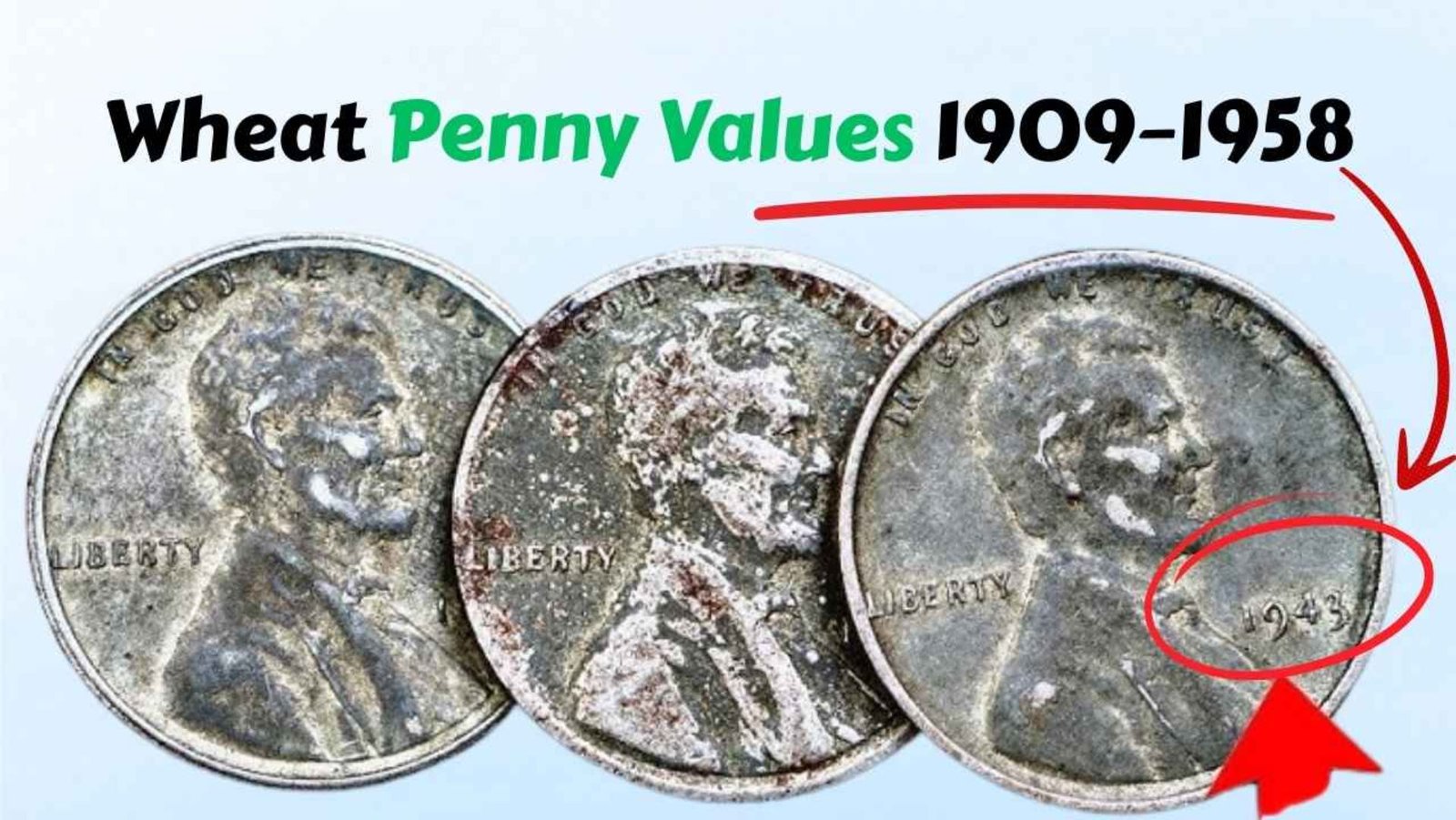
Ever dug through a jar of loose change and uncovered a shiny relic from your grandma’s era? That’s the thrill of wheat pennies! These little copper gems from 1909 to 1958 pack big stories and even bigger values. Whether you’re a newbie hobbyist or a rare coin fan, this guide reveals wheat penny values, key dates, and tips to turn pocket change into treasure. Stick around—you might spot one in your wallet!
What Are Wheat Pennies?
Wheat pennies, or Lincoln Wheat Cents, are U.S. one-cent coins minted from 1909 to 1958. Spot Abraham Lincoln’s profile on the front and two wheat stalks on the back—that’s your clue. They’re bronze beauties, about the size of today’s pennies but with a rustic charm that screams “rare coin potential.” Easy to find in attics or estate sales, but spotting high-value ones? That’s the fun part.
A Quick History of the Lincoln Wheat Cent
Born in 1909 for Lincoln’s 100th birthday, these coins broke tradition as the first U.S. dime to show a real president. Sculptor Victor David Brenner designed them, adding his initials (VDB) that sparked a mini-scandal—leading to quick changes. WWII flipped the script: steel pennies in 1943 saved copper for bullets, but a few bronze strays? Pure gold for collectors. By 1958, over 20 billion were made, ending an era of simple, heartfelt design.
Why Wheat Pennies Matter Today
In a digital world, wheat pennies connect us to history—think Great Depression grit or post-war boom. Their wheat motif nods to America’s farm roots, making them timeless rare coins. Values soar for pristine examples; a common 1940s penny might fetch $1, but keys? Thousands. They’re affordable entry points for hobbyists, with collector demand keeping wheat penny values 1909–1958 hot on the market.
How to Start Collecting Wheat Pennies
Dive in without breaking the bank! Hunt change jars, visit coin shops, or snag lots on eBay for under $50. Sort by date and mint mark (no letter = Philly; D=Denver; S=San Francisco). Store in albums to protect shine. Benefit? It’s relaxing, educational, and could pay off big if you nab a key date. Your collector guide: Start small, learn grading, and watch your stash grow.
| Common vs. Rare Wheat Pennies | Description | Avg. Value (Circulated) |
|---|---|---|
| Common (e.g., 1940s Philly) | Everyday finds, worn but plentiful | $0.05–$0.50 |
| Semi-Key (e.g., 1931-S) | Lower mintage, good condition boosts | $80–$120 |
| True Rarities (e.g., 1943 Bronze) | War-era errors, ultra-scarce | $300,000+ |
Notable Wheat Penny Facts and Records
Did you know? Over 25 billion wheat pennies rolled out, but rarities steal the show. The 1909-S VDB sold for $168,000 in top grade. Steel 1943s were minted by mistake on bronze—only 20 known, fetching up to $2 million! Fun stat: 1955’s doubled die error looks “tipsy” and hits $16,000 easy.
| Key Date Price Chart (1909–1958) | Variety | Good/Fine Value | MS63 Value |
|---|---|---|---|
| 1909-S VDB | Scarce first-year | $400–$650 | $1,500+ |
| 1914-D | Low mintage | $200–$450 | $3,000+ |
| 1922 Plain (No D) | Mint error | $800–$1,800 | $20,000+ |
| 1931-S | Depression low | $80–$120 | $500+ |
| 1955 Doubled Die Obverse | Famous error | $4,000–$16,000 | $50,000+ |
| 1958 Doubled Die Obverse | Last-year gem | $100–$300 | $336,000 (record) |
Expert Tips for Wheat Penny Collectors
Hey, friend—don’t clean your coins; it kills value! Use a magnifier for doubled letters or weak strikes. Grade via PCGS or NGC for authenticity. Pro insight: Focus on 1909–1920s for bang-for-buck rare coins. Join forums like Reddit’s r/coins for swaps. And always, buy what you love—collecting’s about the stories, not just the wallet.
Wheat Penny FAQs
Q: What’s the most valuable wheat penny?
A: The 1943-D Bronze tops lists at $2 million— a WWII flub!
Q: How do I spot a rare wheat penny?
A: Check date, mint mark, and errors like no “D” on 1922s. Condition is king.
Q: Are all 1943 pennies rare?
A: Steel ones are common ($0.10), but bronze? Jackpot territory.
Q: Where to sell my wheat pennies?
A: eBay for quick cash, auctions like Heritage for max value.
Q: Can I collect wheat pennies on a budget?
A: Absolutely—start with circulated commons for pennies (pun intended)!
Wheat pennies aren’t just coins; they’re time capsules of American grit and glory. From humble origins to million-dollar rarities, this collector guide arms you with wheat penny values 1909–1958 know-how. Grab that price chart, hunt your stash, and share your finds below. What’s your favorite rare coin story? Dive deeper into key dates or check our Lincoln Memorial series next—happy hunting!