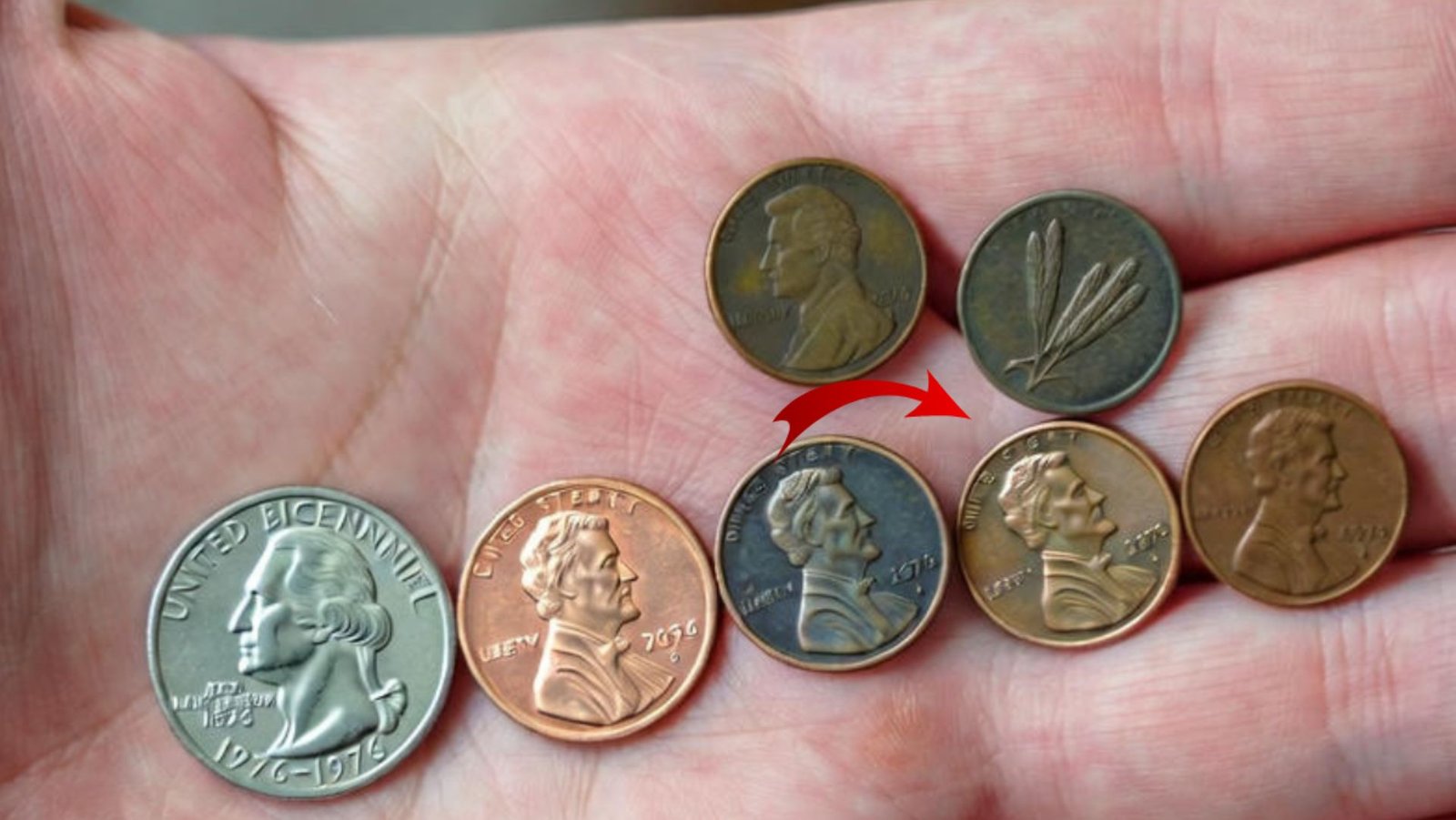
Ever dug through a jar of old coins and pulled out a shiny penny with wheat stalks on the back? What if I told you that little find from 2015 might now be worth way more in 2025? Wheat penny values have skyrocketed, turning humble pocket change into rare coin treasures. In this guide, we’ll uncover how these Lincoln wheat pennies evolved in value over the decade, why they’re hot for hobbyists, and tips to spot your own winners. Stick around—you might just discover your next big score.
What Are Wheat Pennies? A Quick Intro
Wheat pennies are those classic Lincoln cents minted from 1909 to 1958. Named for the wheat ears on the reverse, they’re a staple in rare coin collecting. Most circulated ones start at just a few cents, but errors or low-mintage dates? They command serious wheat penny values.
Think of them as everyday heroes with hidden potential. Over the past 10 years, collector demand has pushed even common examples higher.
The Fascinating History of Wheat Pennies
Born in 1909 to honor Lincoln’s centennial, these pennies featured Victor David Brenner’s design. The wheat reverse symbolized prosperity amid early 20th-century farms.
Production boomed during wars, but key dates like the 1909-S VDB faced low mintages. By 1958, they bowed out for the Lincoln Memorial design. Fast-forward: Auction houses now track their rise as nostalgic rare coins.
Why Wheat Penny Values Matter Today
In a world of digital cash, tangible rare coins like wheat pennies offer real returns. From 2015 to 2025, values climbed 20-50% for commons due to inflation and hobbyist booms. Rare ones? They’ve doubled or tripled, fueled by online markets and TV shows.
For hobbyists, they’re affordable entry points to numismatics. Check your change—you could hold a piece of history worth hundreds.
How to Hunt and Value Your Wheat Pennies
Start simple: Sort grandma’s jar or estate sales for pre-1959 dates. Use apps like PCGS CoinFacts for quick wheat penny values checks.
Grade condition—worn is fine for commons, but mint-state gems shine. Sell via eBay or join clubs for fair deals. Benefit? It’s fun, educational, and potentially profitable.
| Year Range | Common Circulated Value | Key Date Example (e.g., 1914-D MS60) |
|---|---|---|
| 2015 | $0.05–$0.25 | $1,000–$1,500 |
| 2018 | $0.10–$0.40 | $1,200–$1,800 |
| 2021 | $0.15–$0.60 | $1,500–$2,200 |
| 2025 | $0.20–$1.00 | $2,000–$2,900 |
Eye-Opening Stats on Wheat Penny Values
Over the decade, average wheat penny auction sales hit $50 million yearly by 2025, up from $30 million in 2015. The 1955 Doubled Die Obverse? It jumped from $8,000 average to $15,000+.
Rarities like the 1922 No D fetched record $30,000 in 2023. Stats show 40% value growth for uncirculated pieces—proof collectors are all in.
Pro Tips for Wheat Penny Collectors
Hunt rolls from banks for hidden gems—low risk, high thrill. Store in albums to preserve shine; avoid PVC flips that yellow coins.
Consult NGC or PCGS for grading before selling. And join forums like CoinTalk for community vibes. Remember: Patience pays—hold for that value spike.
Frequently Asked Questions
What’s the rarest wheat penny?
The 1909-S VDB, with under 500,000 minted—values start at $800 circulated.
Have wheat penny values dropped lately?
No, steady rises through 2025, thanks to steady demand.
How do I spot a fake?
Check weight (3.11g) and sharp details; experts verify errors.
Are wheat pennies still minted?
No, ended in 1958, but counterfeits pop up—buyer beware.
In wrapping up, wheat penny values over the past 10 years prove these tiny icons pack big dreams for rare coin fans. From modest starts to soaring auctions, they’ve hooked hobbyists worldwide. Grab your magnifier, dive into that coin jar, and who knows? Your find could be tomorrow’s headline. Share your stories below or explore more on Lincoln cents—happy hunting!