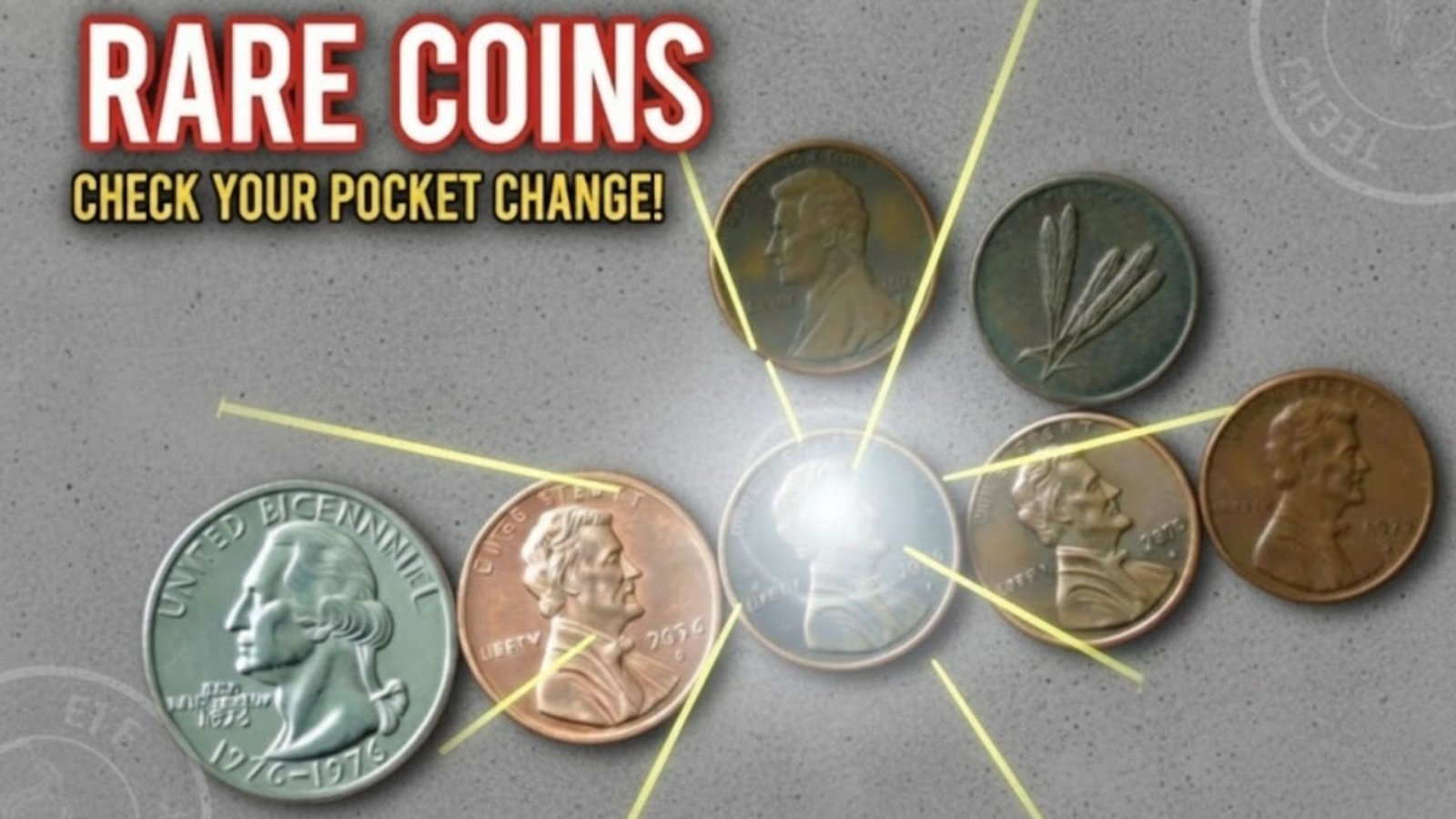
Ever pulled a dusty old penny from your jeans pocket and thought, “Could this be worth more than a gumball?” If it’s a wheat penny, you might be onto something big. These humble coins from 1909 to 1958 have turned into hot items for rare coin hobbyists. In this guide, we’ll dive into wheat penny values over the past 20 years, uncovering price trends that could make your collection sparkle. Stick around to learn how to spot treasures and boost your hobby game.
What Are Wheat Pennies?
Wheat pennies, or Lincoln wheat cents, feature Abe Lincoln on the front and two wheat stalks on the back. Minted from 1909 to 1958, they’re 95% copper—making them shinier and more valuable than modern zinc versions. For rare coin fans, these aren’t just change; they’re mini time capsules.
The Fascinating History of Wheat Pennies
Born to honor Lincoln’s 100th birthday, the design by Victor David Brenner stirred drama. The 1909-S VDB version included the designer’s initials, sparking public outcry—they lasted just months before removal. Over 50 years, billions were struck, but wars and errors created rarities that drive today’s collector’s guide buzz.
Why Wheat Penny Values Are Booming Today
In a world of digital cash, tangible treasures like rare wheat pennies offer real joy—and profit. Collector demand has surged with nostalgia and investment appeal. From 2005’s modest prices to 2025’s peaks, wheat penny values reflect economic shifts and hobby growth. Your grandma’s jar could fund a vacation!
Wheat Penny Price History: 2005–2025
Curious about the ride? Wheat penny values have climbed steadily, fueled by auctions and online sales. Common circulated coins started low but doubled, while rarities exploded. Check this trend table for a common 1940s wheat penny in good condition:
| Year | Circulated Value | Notes |
|---|---|---|
| 2005 | $0.10 | Steady baseline |
| 2010 | $0.12 | Post-recession dip |
| 2015 | $0.15 | Collector revival |
| 2020 | $0.20 | Pandemic hoarding boost |
| 2025 | $0.30 | Current high |
For a key date like the 1909-S VDB in MS-63 brown, values tell a richer story:
| Year | Auction Avg. Price | Trend Driver |
|---|---|---|
| 2005 | $800 | Early interest |
| 2010 | $1,000 | Market recovery |
| 2015 | $1,200 | Online boom |
| 2020 | $1,800 | Rarity hunts |
| 2025 | $2,500 | Peak demand |
Prices vary by grade—higher is better!
Top Rare Wheat Pennies Worth Hunting
Not all wheat pennies are equal. Key dates like the 1955 Doubled Die Obverse fetch thousands. Here’s a quick collector’s guide snapshot:
| Coin Variety | Circulated Value | MS-65 Value (2025) |
|---|---|---|
| 1909-S VDB | $800+ | $10,000+ |
| 1914-D | $150+ | $5,000+ |
| 1922 No D | $500+ | $20,000+ |
| 1943 Bronze | $100,000+ | $1M+ |
| 1955 DDO | $1,000+ | $50,000+ |
Hunt estate sales for these gems.
How to Start Your Wheat Penny Collection
New to rare coins? Grab a folder album for $10 and sort your spares by year. Visit coin shows or apps like eBay for deals. Budget $50–$200 to snag starters—focus on 1920s issues for value growth. It’s addictive fun!
Expert Tips for Wheat Penny Collectors
Grade wisely: Use PCGS or NGC slabs for authenticity. Store in cool, dry spots to avoid toning. Sell via auctions for max wheat penny values—timing beats rushing. And always double-check for errors; one doubled die could change everything.
Fun Facts About These Iconic Coins
Did you know? Over 25 billion wheat pennies exist, but the 1943 steel version (meant for war) has bronze errors worth millions. Lincoln’s face hasn’t changed since 1909—talk about timeless!
Frequently Asked Questions
How do I know if my wheat penny is valuable?
Check date, mint mark (S, D), and condition. Use apps or sites for quick wheat penny price history checks.
What’s the most expensive wheat penny ever sold?
A 1943 bronze hit $1.7M in 2010—still a record-breaker.
Are wheat pennies still being made?
No, production ended in 1958, but they’re legal tender forever.
Where to sell my collection?
Try Heritage Auctions or local dealers for fair deals.
In wrapping up, wheat penny values over the past 20 years show these oldies are far from obsolete—they’re appreciating assets for rare coin lovers. From humble starts to auction stars, they’ve got history, heart, and serious potential. Dust off that jar, grab our collector’s guide tips, and start hunting. Share your finds in comments—what’s your top wheat penny story? Dive into more rare coin adventures next!